From Cairo to Casablanca, Africa’s top talents show-up at 2025 Ballon d’or

The lights of the Théâtre du Châtelet in Paris were a beacon of footballing excellence, and on Monday night, they shone brightly on a contingent of African stars.
The 2025 Ballon d’Or ceremony was not just a celebration of the world’s best players, but a testament to the continent’s rising influence in the global game. For a night, the narrative shifted from Europe’s traditional powerhouses to the captivating stories of Africans closing the gap.
First, there was the Egyptian King, Mohamed Salah. His season had been a masterclass in consistency and leadership. At 33, he had defied time, guiding Liverpool to a Premier League title with his relentless goal-scoring and playmaking.
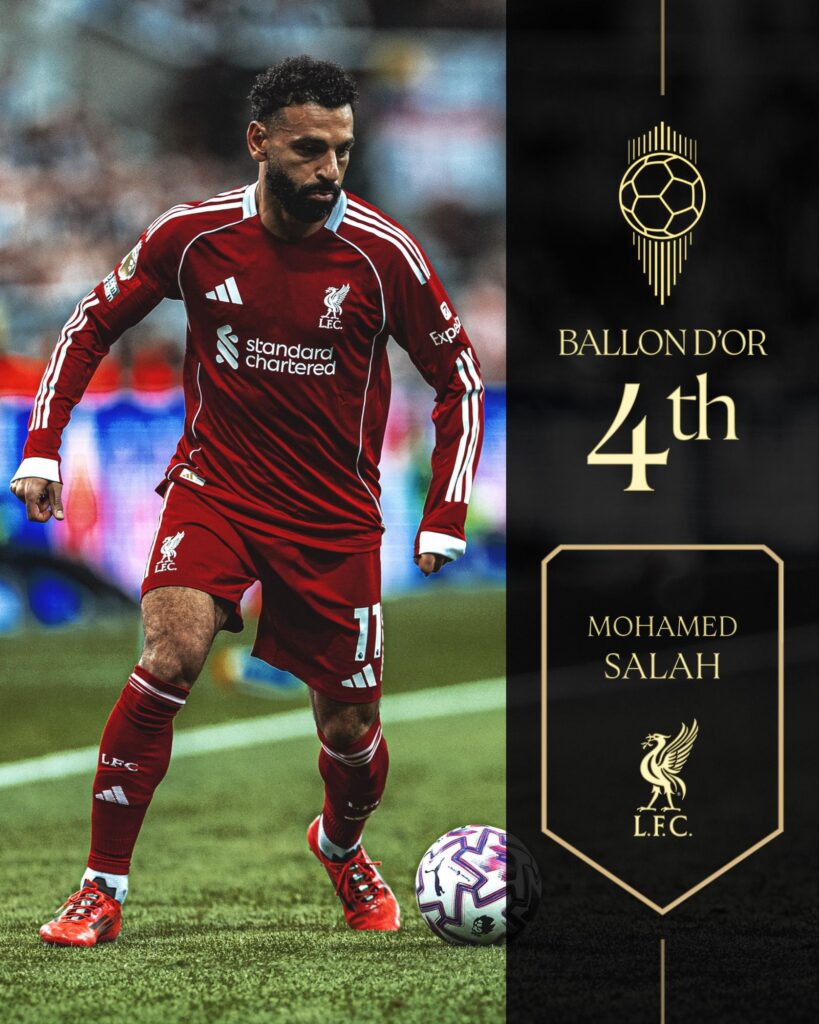
He finished the season as the league’s top scorer and assist provider, a dual-threat that had become his trademark. As his name was announced for the fourth-place finish in the men’s Ballon d’Or ranking, the crowd erupted in a respectful roar. It was a career-best for Salah and a powerful statement about his enduring legacy. While the top prize eluded him, his place among the world’s elite was indisputable.
Then came the Moroccan missile, Achraf Hakimi. The dynamic full-back had been a key architect of Paris Saint-Germain’s historic treble-winning season, which included their first-ever Champions League title. His blistering pace and attacking prowess from the defensive flank had redefined the role of a right-back.
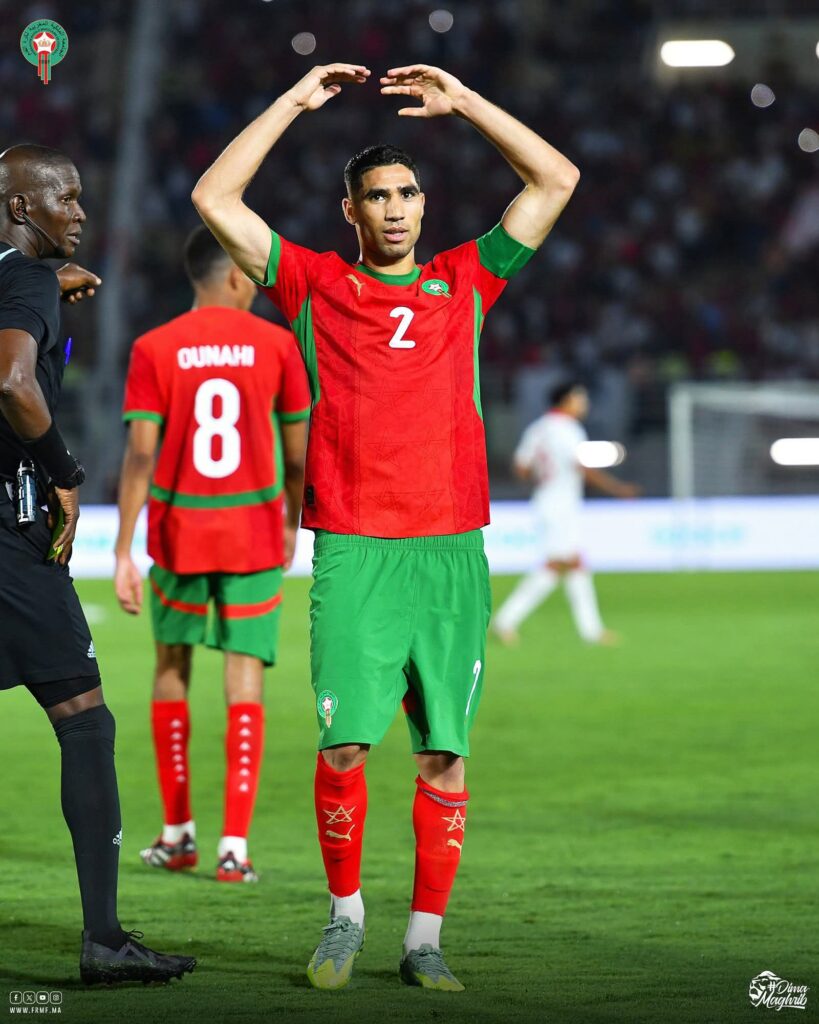
He had scored crucial goals in both the Champions League final and the Coupe de France, finishing the season with numbers that would make most forwards envious. His sixth-place finish in the Ballon d’Or standings was a landmark achievement for Moroccan football, a testament to his unique talent and the growing recognition of African defenders on the world stage.
Serhou Guirassy, the Guinean goal machine, was the breakout star of the season. After a sensational move to Borussia Dortmund, he has taken the Bundesliga by storm, becoming a prolific and dominant striker. His clinical finishing and ability to score in high-pressure matches was instrumental in Dortmund’s deep run in the Champions League. Finishing 21st in the rankings, Guirassy’s nomination came as a delight for the entire African continent.
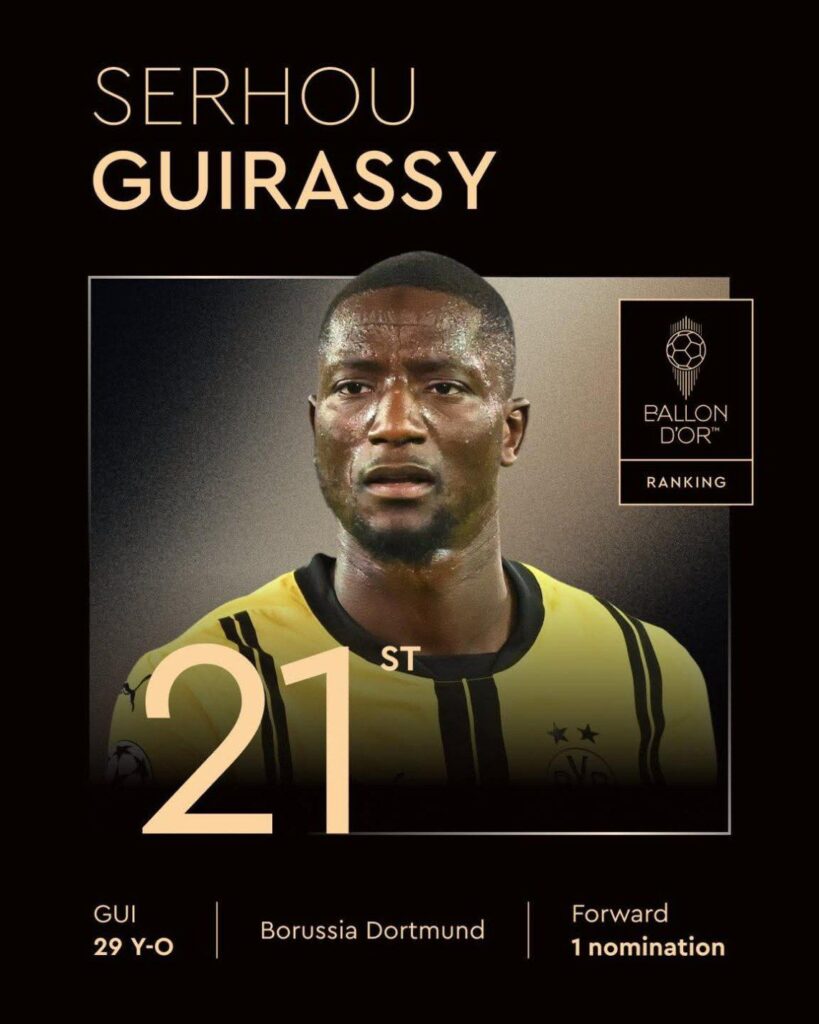
His journey instills hope for aspiring footballers across the continent, proving that with dedication, the world’s biggest stages were within reach.
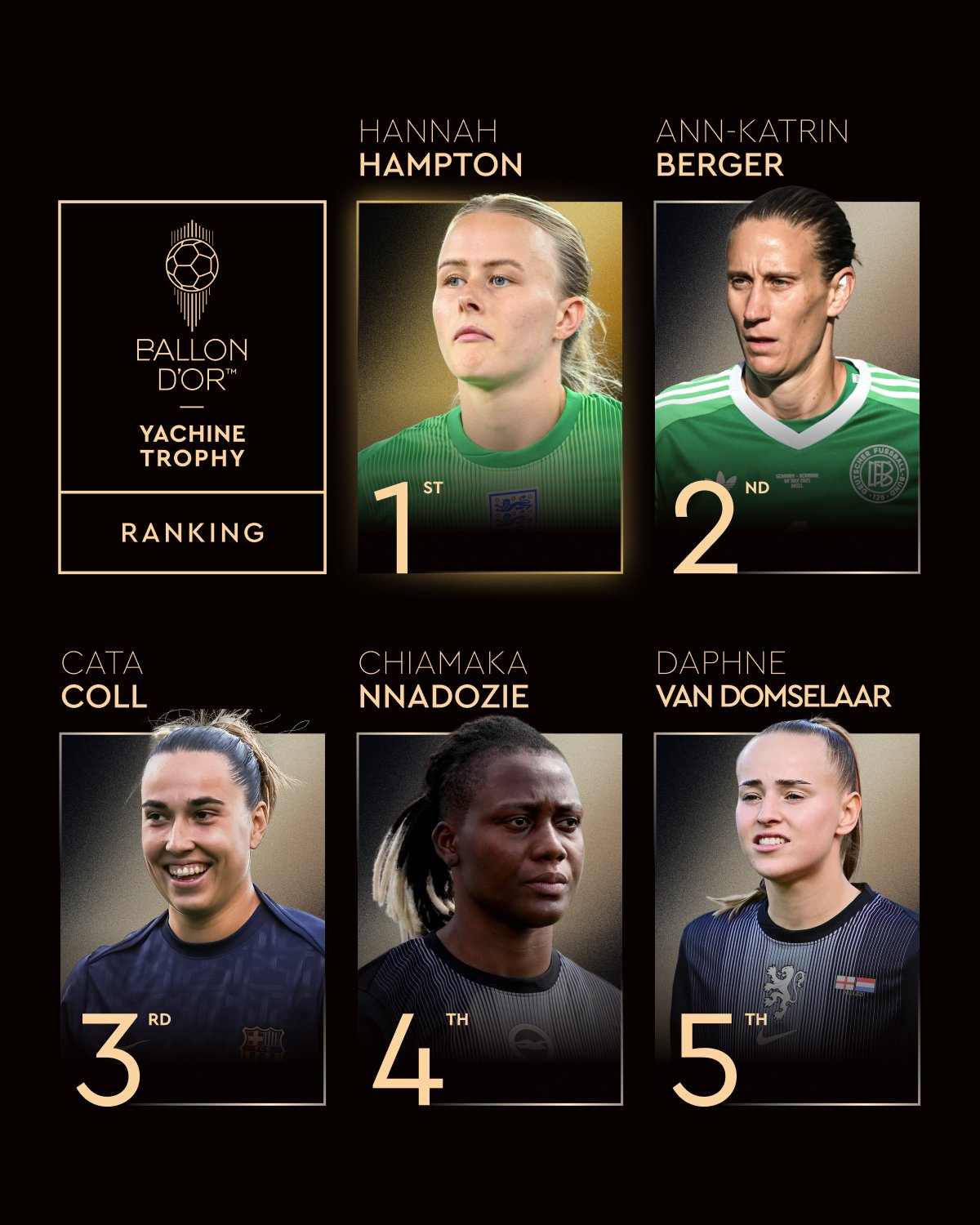
But the night also belonged to a star in the women’s game. Chiamaka Nnadozie, the Nigerian goalkeeper, had made history. Her heroics for the Super Falcons in their record 10th Women’s Africa Cup of Nations title had been a spectacle, and her consistent, commanding performances for Paris FC had solidified her reputation as one of the world’s best shot-stoppers, which earned her a move to Brighton. As the inaugural Women’s Yashin Trophy for the best female goalkeeper was announced, Nnadozie was named in fourth place. It was a groundbreaking moment for African women’s football, a powerful validation of the talent and potential of the women’s game on the continent. Nnadozie’s story was not just about her individual brilliance, but about the collective rise of African women’s football to a global platform.
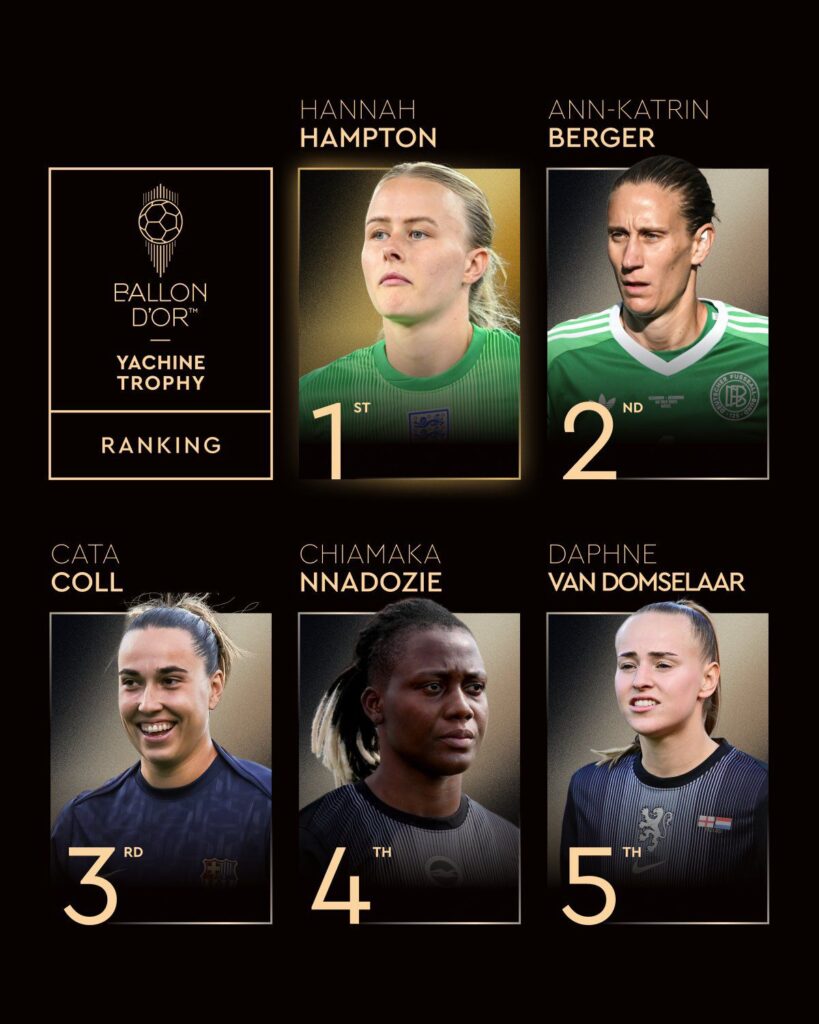
As the ceremony drew to a close, a sense of pride lingered in the air. The 2025 Ballon d’Or ceremony had been a night of individual achievements, but it had also been a celebration of a continent. From Salah’s enduring greatness, to Hakimi’s historic rise, Guirassy’s stunning breakthrough, and Nnadozie’s pioneering achievement, the African stars had not just shown up—they had left an indelible mark, proving that the future of football is undeniably African.