Why Morocco’s AFCON Alcohol and Laser Ban is a Necessary

As Africa moves towards its biggest continental showcase, Morocco has set a precedent that prioritizes the spirit of the game over stadium chaos.
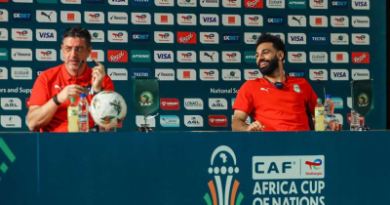
In an official move by the Confederation of African Football (CAF) and Moroccan authorities, a strict ban on alcohol and laser pointers has been enforced for all tournament venues.
While these measures are framed as a respect for local customs and a necessity for safety, they serve as a stark reminder of how fan-driven toxicity has been allowed to negatively affect the integrity and health of the sport.
The Weaponization of the Crowd: The Laser Pointer Crisis
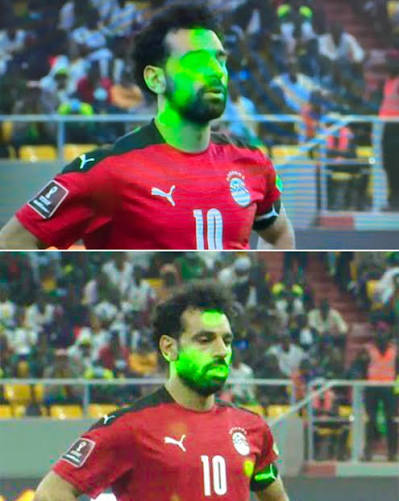
The decision to outlaw laser pointers is not merely a request for politeness; it is a response to a form of systemic cheating that has plagued international football for years. Laser pointers have transitioned from being a nuisance in the stands to becoming a weapon of “tactical interference.”
When a supporter shines a high-powered green beam into a goalkeeper’s eyes during a decisive penalty or a free kick, they are committing an act of external sabotage. This directly negates the skill-based meritocracy of the game. We have seen high-profile matches—such as the Euro 2021 semi-final and various World Cup qualifiers—marred by these incidents. Beyond the immediate unfairness, there is a severe medical risk. Modern handheld lasers can cause permanent retinal damage and temporary blindness. When players are forced to compete while fearing for their eyesight, the professional quality of the sport is compromised, and the focus shifts from athletic excellence to a battle against unseen saboteurs in the crowd.
Reclaiming the Atmosphere: The Impact of Alcohol Restrictions
The ban on alcohol at AFCON 2025 is a dual-purpose measure. Primarily, it honors the host nation’s laws and cultural values, but it also addresses a long-standing issue in stadium culture: the link between intoxication and fan disorder.
Football has long struggled with “hooliganism” and aggressive behavior, much of which is exacerbated by heavy drinking. By removing alcohol from the stadium environment, organizers are attempting to reverse the trend of stadiums becoming hostile zones. Excessive drinking often leads to pitch invasions, violent altercations, and the alienation of families. When a stadium feels unsafe for children or neutral supporters, the sport’s growth is stunted. The AFCON ban aims to reclaim the stadium as a space for football-focused celebration, ensuring that the “drama” remains on the pitch rather than in the bleachers.
A Sport Under Siege by its Own Supporters
The necessity of these bans highlights a broader, negative shift in football culture. For decades, the phrase “the 12th man” referred to the positive energy fans gave their team. Today, that influence has often curdled into “fan dysfunction.”
The negative impacts of these behaviors on football are undeniable:
The Dilution of Competition: Matches are increasingly defined by which team has the most disruptive fans rather than the best tactics.
Financial and Reputational Damage: Clubs and national associations face massive fines and stadium bans due to the actions of a few, draining resources that could otherwise go toward youth development.
Safety Fatigue: Increased security screenings and restrictive laws—though necessary—make the match-day experience more clinical and less festive for the law-abiding majority.
The strict regulations for AFCON 2025 are a clear signal that the governing bodies are no longer willing to let fan-fueled incidents dictate the narrative of the tournament. It is a necessary step to ensure that when the final whistle blows in Morocco, the headlines are about the goals scored, not the lasers flashed or the bottles thrown.