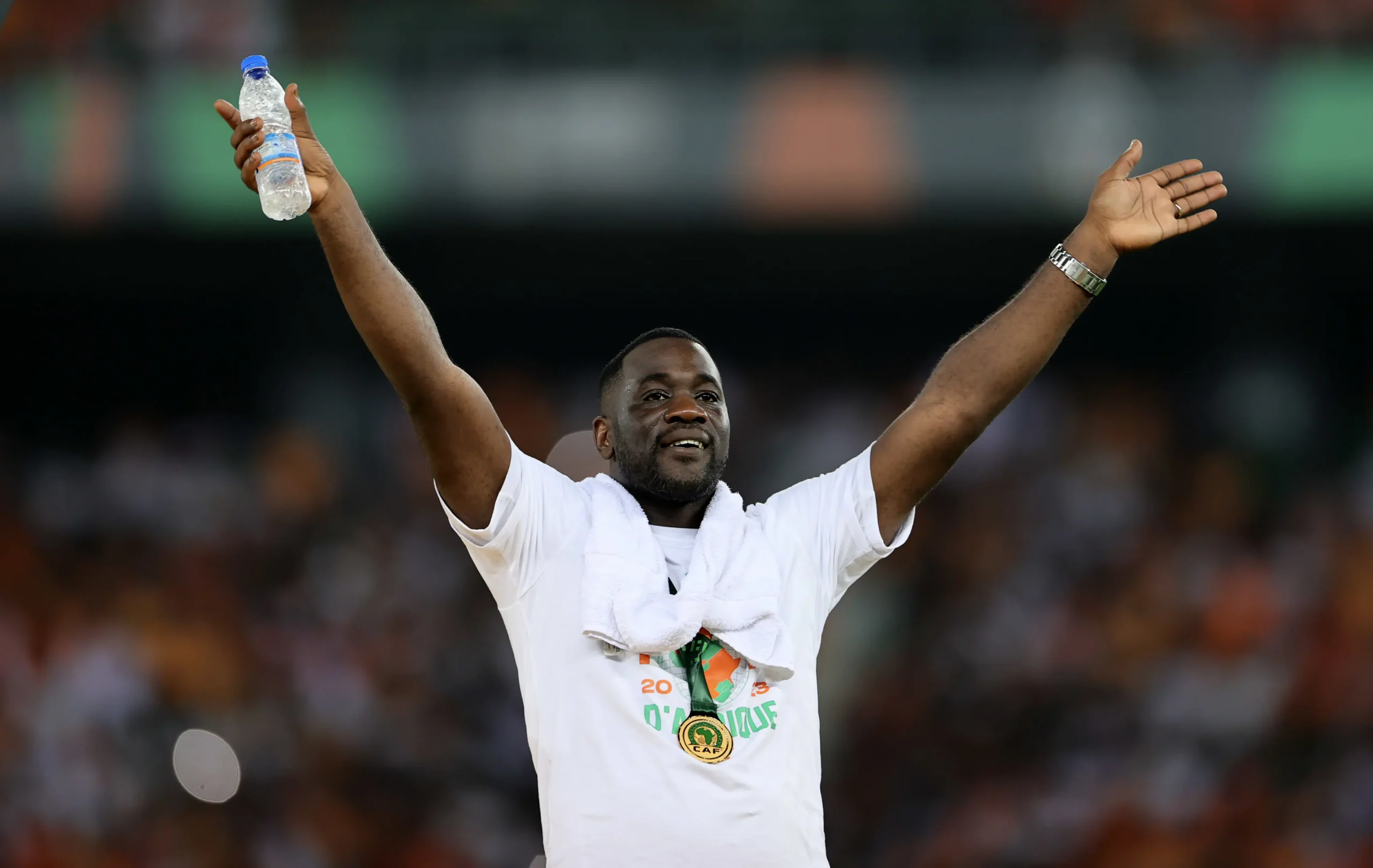
African coaches Sweep Group F, dominate AFCON 2025

For decades, African football was often dominated by the myth of foreign coaches, brought in from Europe to guide the continent’s elite teams. However, the 2025 edition signals a decisive reclamation of the African bench by home-grown tacticians who are no longer just filling gaps, but are setting the gold standard for success.
The last three editions of the tournament have served as a resounding validation of African coaching talent, with the title staying in the hands of home-grown managers every single time.
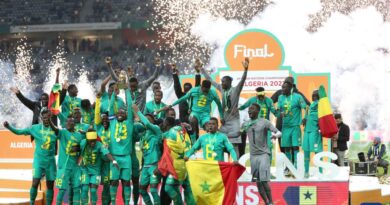
The streak began in 2019 when Djamel Belmadi led Algeria to a historic second title in Egypt, proving that tactical discipline could be married perfectly with national passion. This was followed in 2021 by Aliou Cissé, the symbol of Senegalese perseverance, who finally delivered the Teranga Lions’ maiden crown. Most recently, in 2023, Emerse Faé completed a modern football miracle by taking over as interim coach mid-tournament to guide Côte d’Ivoire to glory. This “hat-trick” of local victories has dismantled the old legend that African teams require foreign leadership to navigate the highest levels of pressure.
A Growing Presence: The Numbers for 2025
In this 2025 edition, the total number of head coaches stands at 24, representing each of the qualified nations. A significant feature of this year’s tournament is the strong showing of African talent, with 13 of the 24 teams—more than half—led by home-grown managers. The remaining 11 teams are guided by a diverse mix of foreign specialists from Europe and South America, creating a fascinating tactical melting pot. This high percentage of local appointments reflects a growing confidence among African football federations in the technical and leadership abilities of their own footballing sons.
Group F: The Heart of the Local Revolution
Nowhere is this shift more evident than in Group F, which has earned a new nickname for 2025: the “Local Coaches’ Den.” In a rare and unprecedented occurrence, every single team in this powerhouse group is led by a local tactician. This creates a fascinating laboratory of regional football philosophy, where the four men leading the charge represent the diversity and depth of the African coaching pool.
Emerse Faé returns as the defending champion for Côte d’Ivoire, blending modern tactical flexibility with the emotional intelligence that saved the Elephants’ campaign in 2023. He is joined by David Pagou, who was parachuted into the Cameroon hot seat weeks before the tournament. Pagou, a methodical student of the Cameroonian domestic league, has already made waves by prioritizing collective harmony over individual stardom.
The group is rounded out by Thierry Mouyouma of Gabon and Chiquinho Conde of Mozambique. Mouyouma, a former national team captain, has been vocal about “local knowledge transfer,” ensuring his backroom staff remains predominantly Gabonese. Meanwhile, Conde has transformed Mozambique into a resilient unit, instilling a fighting spirit that has led the “Mambas” to back-to-back qualifications.
A Battle for Identity
The prevalence of local coaches across the tournament—from legends like Egypt’s Hossam Hassan to Morocco’s own Walid Regragui—suggests that African football is entering an era of profound self-belief. These coaches don’t just understand the X’s and O’s; they understand the cultural nuances and the immense emotional weight that these matches carry for their people.
As the tournament moves toward its final in Rabat, the question is no longer whether a local coach can win, but which one will continue the streak and keep the trophy in African hands for a fourth consecutive time.