Profiling Tunisia at the AFCON 2025

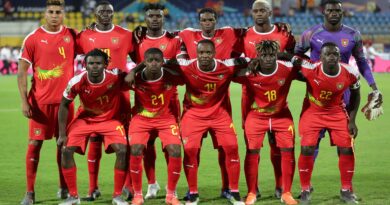
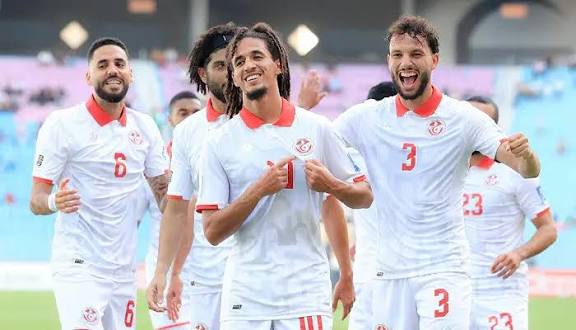
The Carthage Eagles of Tunisia are prepared to assert their status as one of the continent’s most disciplined tactical units. Often referred to as the “Italians of Africa” for their defensive organization and structured play, Tunisia enters the tournament seeking redemption after a disappointing winless exit in the previous edition. Their campaign begins today, December 23, against Uganda in Rabat.
Historical Context: A Legacy of Consistency
Tunisia’s history in the Africa Cup of Nations is defined by longevity and a persistent presence in the latter stages of the competition. This 2025 appearance marks their 17th successive AFCON finals, a record-extending feat that underlines their status as a continental mainstay. The pinnacle of their history came in 2004, when they lifted the trophy on home soil after defeating Morocco in the final.
Beyond their solitary title, Tunisia has been a frequent finalist and semi-finalist, notably finishing as runners-up in 1965 and 1996. While they have occasionally struggled to convert their tactical dominance into trophies, they remain a “top-tier” seed that almost always navigates the group stages. A fascinating historical note is Tunisia’s defensive reputation; they are often the team that concedes the fewest goals in the group phase, relying on a system that prioritizes a “clean sheet first” mentality.
The Squad: Tactical Discipline and Creative Spark
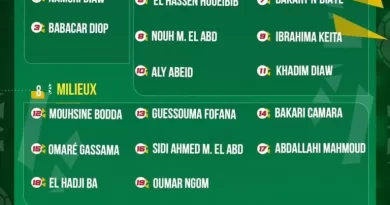
Head coach Sami Trabelsi, returning to the helm with a point to prove, has selected a 28-man squad that prioritizes tactical continuity. The headline news for Tunisian fans is the return of Hannibal Mejbri (Burnley) and Ellyes Skhiri (Eintracht Frankfurt), both of whom provide the midfield engine room with a mix of youthful aggression and veteran composure.
The squad is anchored by a veteran defense including Montassar Talbi and Yassine Meriah, while the absence of veteran Naïm Sliti due to injury has opened the door for Elias Achouri and Elias Saad to provide pace on the flanks. In attack, the responsibility of finishing falls on Seifeddine Jaziri, whose clinical nature in the box has made him a staple for both club and country. The team’s strength lies in its balance; there are no “superstars” who overshadow the system, ensuring that Tunisia remains a difficult unit to break down.
Coach’s Perspective and Group Dynamics
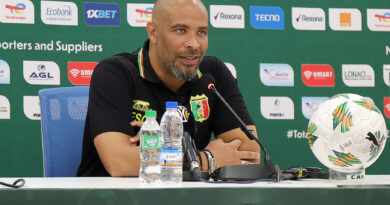
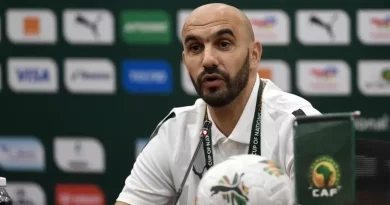
In the pre-match press conference, Sami Trabelsi emphasized the weight of expectation that follows the national team. He noted that the primary goal is to “reignite the competitive edge” of the Carthage Eagles. Trabelsi acknowledged the difficulty of Group C, which features a heavyweight clash against Nigeria on December 27, but he insisted that the focus must remain entirely on the opener against Uganda.
“For every coach, a competition like this comes with pride and pressure. We are fully aware of the challenge Uganda poses. We want to dominate territory and recycle possession patiently. Our objective is to start with three points to settle the nerves before the big games ahead.”
Tunisia is expected to battle Nigeria for the top spot in Group C. While they are favorites against Uganda and Tanzania, they cannot afford a slow start. The dynamics suggest that if Tunisia can secure a win today, they will head into the “Clash of the Eagles” against Nigeria with the tactical freedom to play for a draw, potentially securing an easier route through the knockout brackets.