Taifa Stars’ Guide for AFCON 2025

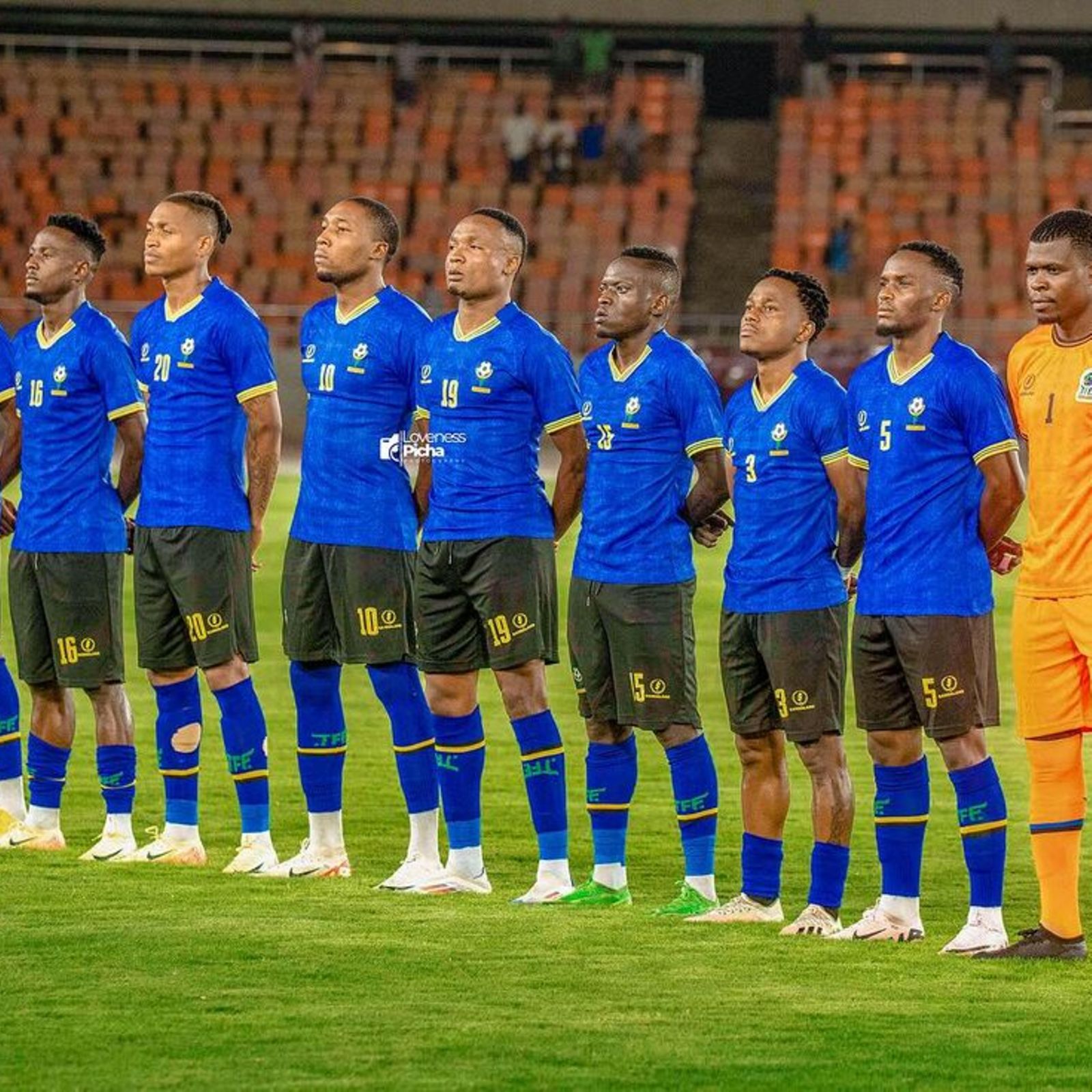
As the 2025 Africa Cup of Nations officially kicks off in Morocco, the Tanzania national team, known as the Taifa Stars, enter the tournament with the goal of proving they are no longer just participants. Under the guidance of Argentine manager Miguel Gamondi, Tanzania arrives with a squad that emphasizes domestic chemistry and tactical discipline. Their campaign begins on December 23 with a high-stakes encounter against the Nigerian Super Eagles at the Fez Stadium.
Historical Context: A Search for the First Victory
Tanzania’s history in the Africa Cup of Nations is a story of rarity and perseverance. Since their debut in 1980, they have struggled to establish themselves as regulars. That inaugural appearance in Nigeria saw the team exit in the group stage, though they managed a historic 1–1 draw against Ivory Coast. Following that tournament, a staggering 39-year drought ensued, finally broken by qualification for the 2019 edition in Egypt.
To date, Tanzania has appeared in only three editions—1980, 2019, and 2023—and they have yet to win a single match at the finals. Their most successful campaign in terms of points came in the 2023 edition (played in early 2024), where they secured two draws against DR Congo and Zambia. Consequently, the 2025 tournament represents a golden opportunity for the Taifa Stars to record their first-ever AFCON win and reach the knockout stages for the first time in their history.
The Core of the Squad: Players to Watch
The 28-man squad for Morocco 2025 is a calculated blend of experienced veterans and standout talents from the Tanzanian Premier League. The most high-profile figure is veteran striker Mbwana Samatta, who currently plays for Le Havre in France. As the only Tanzanian to have ever played in the English Premier League, his leadership is indispensable for a team navigating the pressures of a major tournament. Alongside him is Simon Msuva, the clinical forward from Al-Talaba who secured Tanzania’s place in this tournament with a decisive goal against Guinea in the final qualifier. Msuva is set to earn his 100th international cap during this tournament, a testament to his decade-long service to the nation.
In the engine room, the creative burden falls on Feisal Salum of Azam FC, whose vision and ability to strike from distance make him a constant threat. He is supported by the versatile Novatus Dismas, a rising star at Turkey’s Göztepe, who provides the modern tactical flexibility needed to transition from defense to attack. The defense is anchored by Bakari Mwamnyeto and Mohamed Hussein, both of whom bring the grit and chemistry of Young Africans’ dominant backline to the international stage. Adding an interesting international dimension are diaspora-based players like Haji Mnoga of Salford City and Tarryn Allarakhia of Rochdale, who bring the physical edge of the English lower leagues to the squad.
Coach’s Perspective and Strategy
In his pre-match press conference, Miguel Gamondi was realistic but defiant. He acknowledged the immense quality of the Nigerian squad, noting that stopping stars like Victor Osimhen requires an extraordinary collective effort. However, he made it clear that Tanzania would not simply park the bus. Gamondi emphasized a mentality of wanting the ball and looking to attack, stating that while they must be well-structured against a team of Nigeria’s caliber, they are in Morocco to compete and “make the Tanzanian people dream.”
Tactically, Tanzania is expected to deploy a compact 4-1-4-1 or a disciplined 4-5-1. The goal is to deny Nigeria space in the final third while utilizing Msuva’s pace and Samatta’s intelligence on the counter-attack to exploit any defensive lapses from the Super Eagles.
Group C Dynamics
Tanzania finds themselves in a “Group of Eagles” alongside Nigeria, Tunisia, and regional rivals Uganda. Nigeria and Tunisia are the heavy favorites to progress, which places immense pressure on Tanzania to secure a result in their opening match. The dynamics are further complicated by the East African derby against Uganda on December 27. For the Taifa Stars, the math is simple but difficult: they likely need at least four points from their matches against Uganda and Tunisia to harbor any hopes of a historic advancement to the Round of 16.