Profiling Nigeria at AFCON 2025

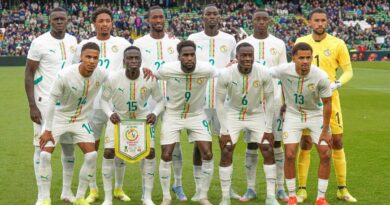
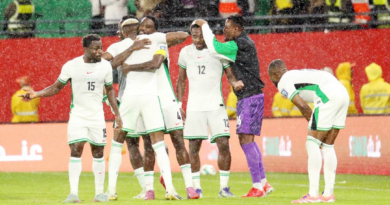
Having narrowly missed out on the title in 2023 and recently suffered the heartbreak of missing the 2026 World Cup, Nigeria is treating this tournament as their “redemption tour.” Under the new leadership of Éric Sékou Chelle, the three-time champions are determined to bring a fourth continental crown back to Abuja, starting with their opening match against Tanzania on December 23.
A Legacy of Dominance: Historical Context
Nigeria’s history in the Africa Cup of Nations is one of consistent excellence and a relentless presence on the podium. The Super Eagles have appeared in 21 editions of the tournament, establishing themselves as the most decorated nation in terms of total medals won. Nigeria has secured 16 medals in total: three gold (1980, 1994, 2013), five silver, and a record eight bronze medals. Remarkably, they have finished in the top three in 13 of their last 15 tournament appearances.
The nation’s first triumph came on home soil in 1980, led by the legendary Segun Odegbami. This was followed by the iconic “Golden Generation” victory in 1994 in Tunisia, a team featuring the late Rashidi Yekini, who remains Nigeria’s all-time top scorer in the competition with 13 goals. The most recent glory came in 2013 under the late Stephen Keshi, who achieved the rare feat of winning the trophy as both a player and a coach. Nigeria also holds the distinction of scoring the 1,000th goal in AFCON history, a milestone reached by Jay-Jay Okocha in 2004.
The Squad: Firepower and New Faces
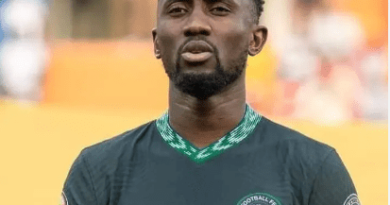
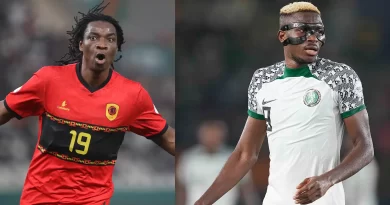
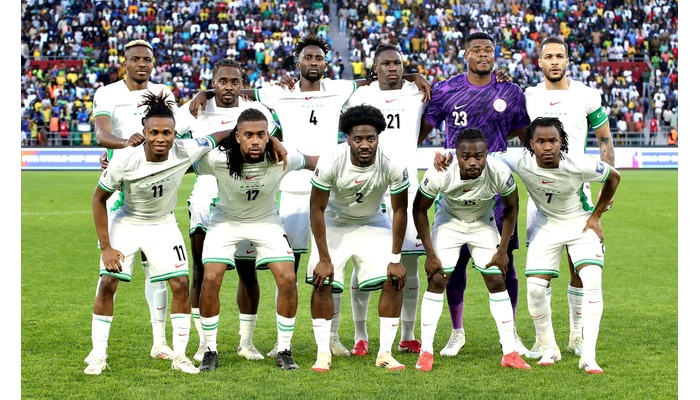
Nigeria has named a star-studded 28-man squad that boasts arguably the most lethal attacking line on the continent. The team is headlined by the reigning African Footballer of the Year Victor Osimhen and the electric Ademola Lookman, both of whom are at the peak of their powers in Europe. Osimhen enters this tournament having recently surpassed the 30-goal mark for the national team, placing him as the heir apparent to Yekini’s records. While established stars like Samuel Chukwueze, Alex Iwobi, and Wilfred Ndidi form the core, Coach Chelle has also introduced fresh blood like the young midfield talent Ebenezer Akinsanmiro, signaling a shift toward a higher-energy playing style.
Tactical Identity and Coach’s Vision
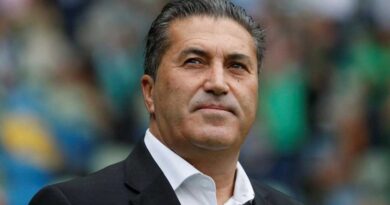
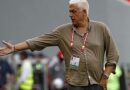
Coach Éric Chelle has brought a philosophy rooted in tactical rigor and collective identity. Departing from more cautious structures, Chelle prefers an aggressive 4-3-3 designed to maximize the team’s immense forward depth. His strategy focuses on a high press, where Nigeria is expected to squeeze opponents high up the pitch to force turnovers.
In his pre-tournament address, Chelle was unambiguous about the pressure, stating that coaching Nigeria requires winning everything. He described the squad as “revenge-minded” after their World Cup disappointment but emphasized the need for humility. He has focused on creating a “bubble” around the squad to ensure they remain focused on the task at hand rather than external noise.
Group C Dynamics
Nigeria finds themselves in a group that requires total concentration. The December 27 clash against Tunisia is the marquee match of the group, a battle of the “Eagles” that will likely determine who tops the table. Both Uganda and Tanzania are coached by tacticians who favor disciplined low blocks, meaning Nigeria must be patient to avoid the frustration of “parking the bus” tactics. With the NFF setting a clear mandate to reach at least the final, anything less than a dominant group stage performance will invite intense scrutiny.
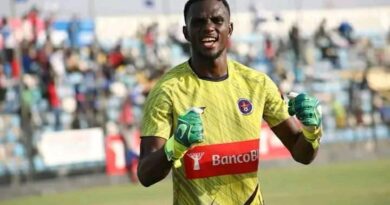
Possible Starting 11 (4-3-3): Stanley Nwabali; Bright Osayi-Samuel, Semi Ajayi, Calvin Bassey, Zaidu Sanusi; Wilfred Ndidi, Alex Iwobi, Frank Onyeka; Samuel Chukwueze, Victor Osimhen, Ademola Lookman.