Algeria’s Quest for Continental Redemption

After the historic highs of their 2019 triumph in Egypt, the team suffered a dramatic fall from grace with consecutive group-stage exits in the 2021 and 2023 editions. This tournament represents a pivotal moment for the “Desert Foxes” as they look to re-establish themselves as the premier power in African football under a completely refreshed technical project.
A Legacy of Continental Brilliance and Hardship
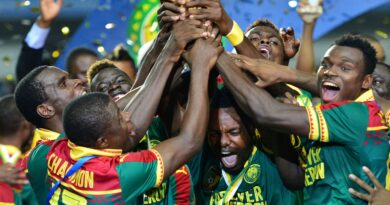
Algeria’s history in the Africa Cup of Nations is a storied journey of 21 appearances defined by periods of absolute dominance and puzzling slumps. Their first major breakthrough came in 1980 when they finished as runners-up, signaling the arrival of a golden generation. They finally captured their first title on home soil in 1990, led by the legendary Rabah Madjer. Following nearly three decades of inconsistency, they returned to the pinnacle in 2019, playing a brand of high-octane, disciplined football that saw them defeat Senegal in the final. However, their recent record has been polarizing; despite boasting one of the most talented rosters on the continent, they have struggled to adapt to the physical demands of sub-Saharan opponents in recent years, a trend they are desperate to reverse in the familiar North African climate of Morocco.
The Petković Era: Tactical Pragmatism and New Leadership
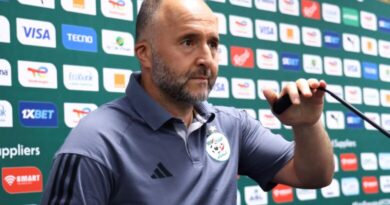
The biggest shift for Algeria heading into this tournament is the presence of Vladimir Petković on the touchline. The Bosnian-Swiss coach, renowned for his successful tenure with the Switzerland national team, has replaced the long-serving Djamel Belmadi. Petković brings a starkly different philosophy to the squad, moving away from the high-emotion, possession-heavy style of the past toward a more versatile and pragmatic approach. He typically employs a flexible 4-3-3 or a 3-4-1-2 system that prioritizes structural discipline and rapid vertical transitions. His coaching style is defined by “tactical fluidity,” where the team is encouraged to absorb pressure and exploit the clinical pace of their wingers rather than forcing play through a crowded midfield.
The Stars of the Campaign
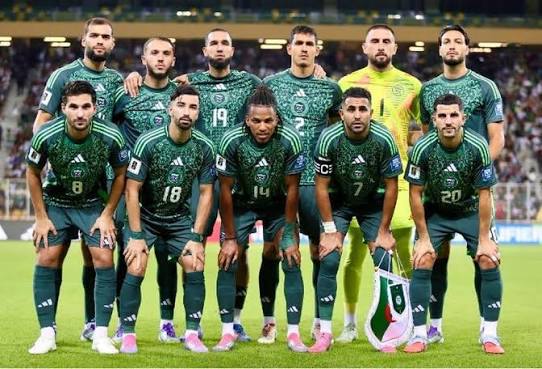
While the squad retains its veteran leadership, the focus has shifted toward a new wave of European-based talent. Mohamed Amoura is widely considered the man to watch, having developed into a world-class finisher whose explosive speed is perfectly suited for Petković’s counter-attacking bursts. In the midfield, the emergence of the young Ibrahim Maza provides a creative spark that the team has lacked since the aging of its previous core. Defensively, Rayan Aït-Nouri has become the team’s most consistent performer, acting as a secondary playmaker from the left-back position. Of course, the veteran captain Riyad Mahrez remains the psychological anchor of the side, though he now operates more as a specialized creator whose set-piece delivery and vision remain among the best in the tournament.
The Road Ahead: Group E and the Path to the Knockouts
Algeria finds itself in Group E, a quartet that demands respect but offers a clear path to the knockout stages if they maintain their focus. They will be based in the city of Rabat, playing their fixtures at the Moulay Hassan Stadium. Their campaign begins on December 24, 2025, with a physical encounter against Sudan, a match that will set the tone for their group-stage momentum. This is followed by a high-stakes clash against Burkina Faso on December 28, which is expected to be the deciding match for the top spot in the group. They conclude their opening round on New Year’s Eve against Equatorial Guinea, the very team that famously ended Algeria’s 35-match unbeaten run in 2022. For the Desert Foxes, this schedule is not just about points, but about exorcising the ghosts of recent tournaments and proving they belong once again at the top of the African hierarchy.