CAF to Launch African Nations League: AFCON to Move to Four-Year Cycle Following Pamoja 2027

The Confederation of African Football (CAF) is reportedly set to launch the African Nations League in 2029. Designed as an annual tournament, its introduction marks a major shift in the continental calendar: following the 2027 ‘Pamoja’ edition, the next edition will take place in 2028, and then the AFCON will move from a biennial schedule to a four-year cycle.
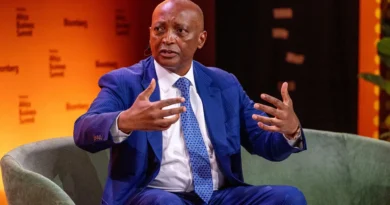
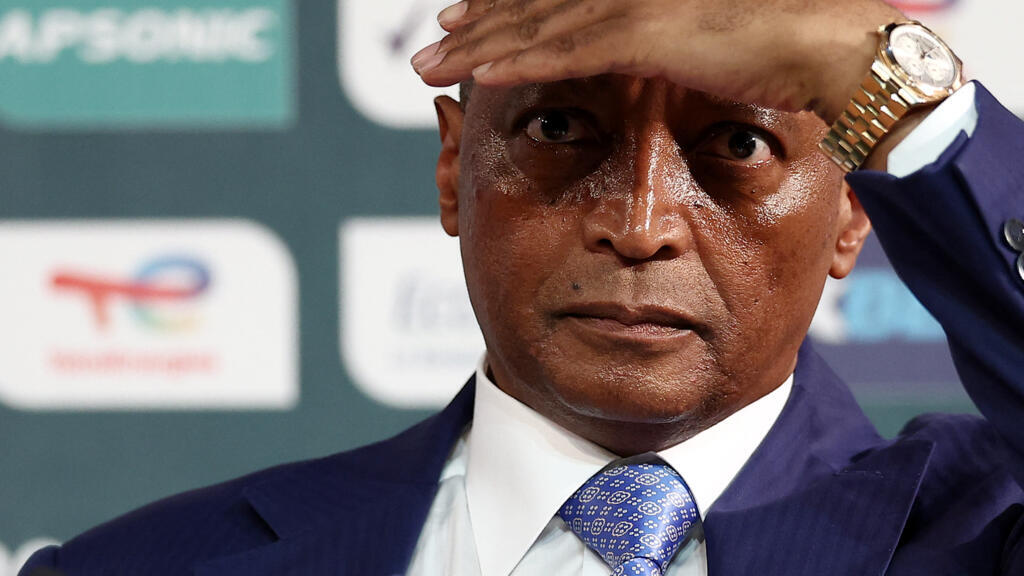
According to CAF president Patrice Motsepe, this shift represents an evolution designed to elevate the commercial and competitive profile of the sport across the continent.
“The African Nations League is specifically designed to maximize the commercial potential of African football while providing a consistent, platforms for all fifty-four member nations,” Motsepe said.
By collaborating with FIFA, CAF aims to integrate this tournament into the existing FIFA international match windows. This integration ensures that the continent’s elite stars, many of whom play for top-tier clubs in Europe and across the globe, can represent their countries without the recurring club-versus-country friction that has often characterized the biennial AFCON.
Unlike the traditional AFCON, which centers on a single host nation for the final tournament, the Nations League will be built on a foundation of regional dominance.
The fifty-four participating nations will be divided into four distinct geographical zones to foster local rivalries and reduce travel burdens during the early stages.
The Northern region will consist of six nations, while the Western, Eastern, and Central-Southern regions will each comprise sixteen nations. This structure ensures that every corner of the continent remains active and engaged in high-level competition throughout the year.
The competition will crown regional kings before moving toward a grand finale. The champions of each of these four regions will meet in a “Final Four” tournament at a venue decided by CAF. This format serves as a prestigious annual event that keeps the energy and excitement of an AFCON final alive every single year.
The final stages are expected to occupy the crucial international windows of September and October, with the grand finale taking place in November.
President Motsepe opined that the financial strategy behind this change is rooted in the need for sustainability.
For decades, the biennial AFCON was the primary source of revenue for CAF, used to fund operations and development programs. However, the high frequency of the tournament often led to player burnout, scheduling conflicts with the FIFA World Cup, and a dilution of commercial value for sponsors. The introduction of the Nations League allows CAF to create a year-round commercial product, providing sponsors and partners with more consistent “touchpoints” with fans and leading to more robust sponsorship deals and higher television rights valuations.
To make room for this new league, the Africa Cup of Nations will officially transition to a four-year cycle. The 2027 edition, famously known as the “Pamoja” edition and co-hosted by Kenya, Uganda, and Tanzania, will be the final tournament held under the current biennial tradition.
Following 2027, the AFCON will align with other major continental championships like the UEFA Euros and the Copa América, occurring every four years to increase its prestige and scarcity.
Motsepe added: “for the African football fan, this new era represents a significant upgrade. Instead of waiting two years for a major tournament, there will now be a continental champion crowned every year through the Nations League.
“This move ensures that African football remains competitive, financially stable, and, most importantly, aligned with the global football calendar.”
B