Celebrating the Tournament That Changed African Careers as CHAN Comes to an End

For 17 years, CHAN transformed local heroes of domestic leagues into household names on the African stage. With the announcement by CAF President Dr. Patrice Motsepe on Saturday, the tournament officially comes to an end, leaving behind a legacy of careers that have redefined the continent’s footballing pedigree.
CAF’s decision marks the conclusion of a tournament that has been a staple of the African football calendar since its inception in 2009, specifically designed to showcase talent playing within their domestic leagues. Motsepe revealed that the tournament is being phased out to make way for a more globally integrated and commercially viable competition known as the African Nations League, which is scheduled to debut in 2029.
The final edition of CHAN concluded in August 2025 across the co-hosting nations of Kenya, Uganda, and Tanzania. That tournament saw Morocco emerge as three-time record champions after defeating Madagascar 3-2 in a thrilling final in Nairobi. While Motsepe lauded the 2024 edition (played in 2025) as the most successful in the competition’s history—citing viewership numbers of over 40 million—he emphasized that the landscape of global football requires a more streamlined approach to scheduling and player management.
One of the primary drivers for this overhaul is the increasingly congested global football calendar. With the expansion of FIFA international tournaments and new formats in European club competitions, CAF identified a need to alleviate the physical and mental pressure on African players.
Motsepe explained that the previous system of holding both the Africa Cup of Nations (AFCON) and CHAN biennially was becoming unsustainable. By shifting AFCON to a four-year cycle starting after the 2028 edition and replacing CHAN with the African Nations League, CAF aims to ensure that African stars can compete at the highest level without the constant risk of burnout.
The newly introduced African Nations League will differ from its predecessor by allowing all African players, including those based in top European leagues, to participate. The competition will be held every two years and is designed to operate in partnership with FIFA, ensuring it aligns with the international match calendar. Dr. Motsepe expressed excitement about this change, noting that it would elevate African national team competitions to a world-class standard by involving the continent’s best players on a more consistent and lucrative stage.
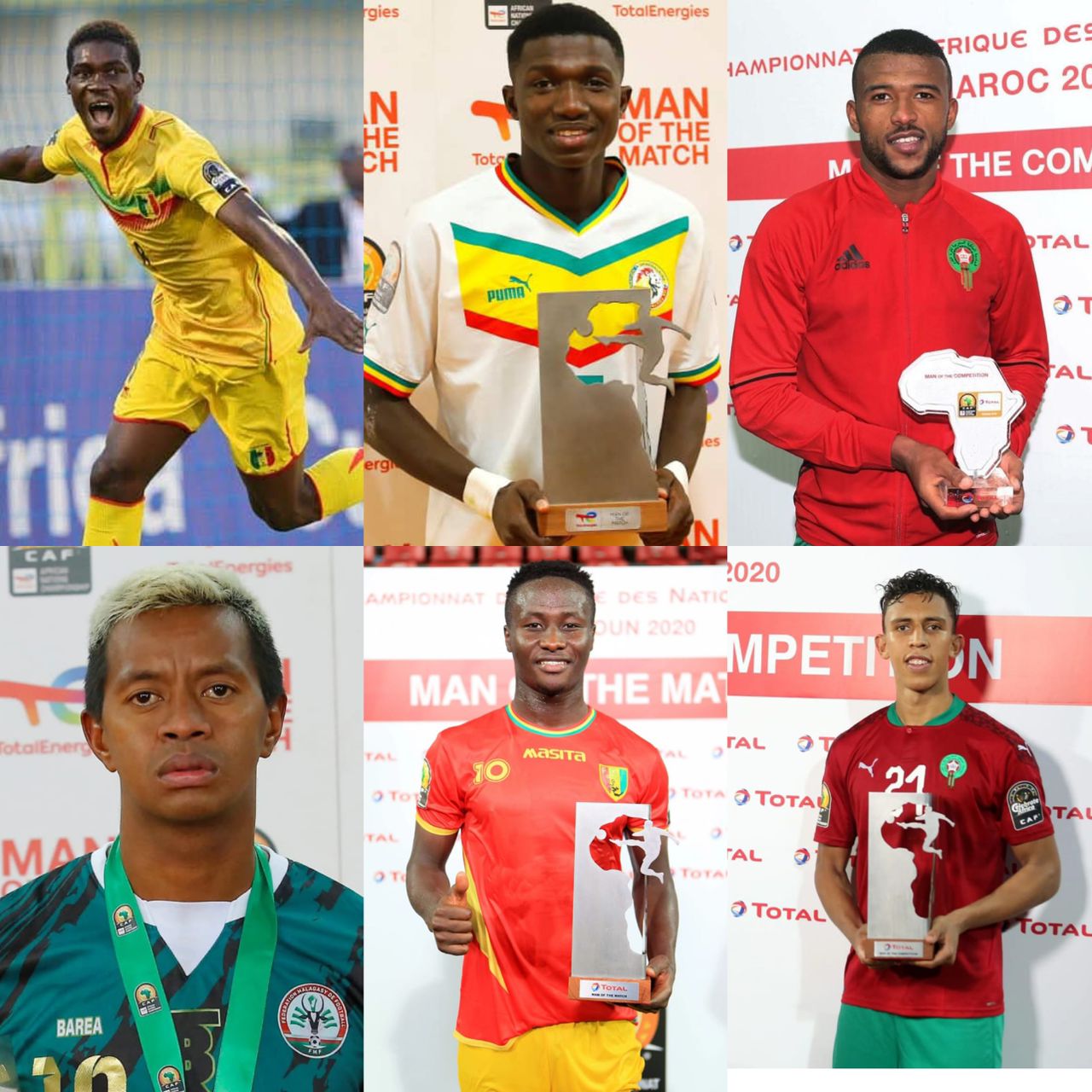
The tournament’s enduring impact is perhaps best personified by the meteoric rise of Soufiane Rahimi. After being named the best player and top scorer of CHAN 2020 while playing for Raja Casablanca, Rahimi’s career exploded, leading him to become an AFC Champions League winner with Al Ain and eventually, top scorer of the 2024 Paris Olympics. Similarly, Lamine Camara used the 2022 edition to announce his arrival to the continent. Then just a teenager at Generation Foot, Camara’s tireless work rate and tactical intelligence earned him the Best Young Player award of the group stages. His performance served as the direct catalyst for his move to Europe. He has since become a centerpiece for AS Monaco.
The tournament was also a crucial launchpad for elite midfield talent, Yves Bissouma. Long before he was dominating the English Premier League with Tottenham Hotspur, Bissouma was a teenager making waves for Mali during CHAN 2016. His late winning goal against Ivory Coast to send his country to their first-ever continental final served as his formal introduction to international scouts. In a similar vein, Guinea’s Morlaye Sylla became a household name during CHAN 2020. Sylla’s playmaking and flair earned him multiple Man of the Match awards and led the Syli Nationale to a historic third-place finish. His exploits in the paved his way to the top divisions in Portugal and Saudi Arabia.
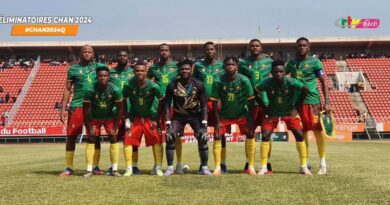
Uganda’s Allan Okello, Cameroon’s Che Malone among others, all used the CHAN to navigate through to their senior teams and were present at AFCON 2025 as vital components for their national teams.
With the African Nations League taking its place, it does so on a foundation built by these heroes.