FIFA’s Vision to Empower 3 Million Children by 2031

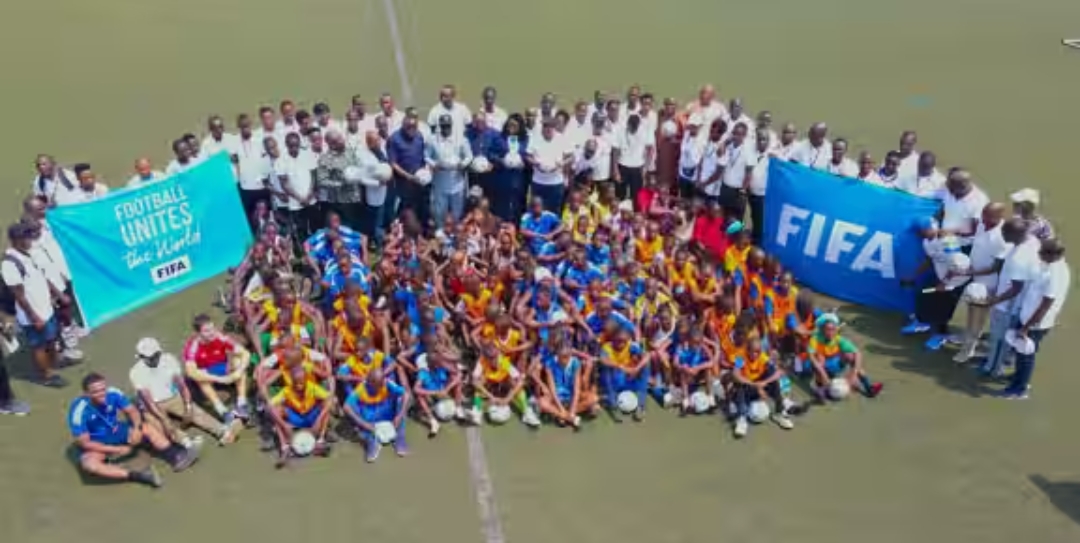
FIFA has unveiled the next phase of its FIFA Arena Legacy Plan, an initiative designed to transform school football mini-pitches into vibrant community hubs. By 2031, FIFA intends to have installed over 1,000 sustainable mini-pitches worldwide, creating safe and inclusive spaces that bridge the gap between sport and essential life-skills education.
This initiative is a central pillar of FIFA’s commitment to the 2030 Agenda for Sustainable Development, focusing on disadvantaged inner-city and rural areas where access to sport and quality infrastructure is often limited.
A Holistic Vision for Social Development
The vision of the FIFA Arena extends far beyond the traditional boundaries of a football pitch. It is designed to act as a center for social interaction, physical activity, and shared experiences, fostering a culture of inclusion that endures long after the final whistle. By prioritizing life-skills education, the programme ensures that the core of every activity remains rooted in providing children with the tools they need to champion all aspects of life. This holistic approach is supported by a robust network of partnerships involving schools, local governments, and commercial stakeholders, all working together to enhance the quality and sustainability of the programme’s reach.
Scaling Global Impact and Reach
By the conclusion of 2025, 166 committed FIFA Arena mini-pitches will be operational across 60 countries. Looking ahead to the first half of 2026, an additional 42 countries are scheduled to join the network, contributing to a total of 220 new pitches for that year alone. This rapid expansion is projected to directly benefit 500,000 children by early 2026, with that number expected to more than double to 1,250,000 children by the start of 2027. The ultimate goal remains a quantitative impact of over 3 million children across 1,000 schools by 2031, based on an estimate of 3,000 beneficiaries per school and its surrounding community.
Melvin Mendy, FIFA Football for Schools manager addressed journalists on Thursday, January 8, at the FIFA Africa regional office in Salé, Morocco.
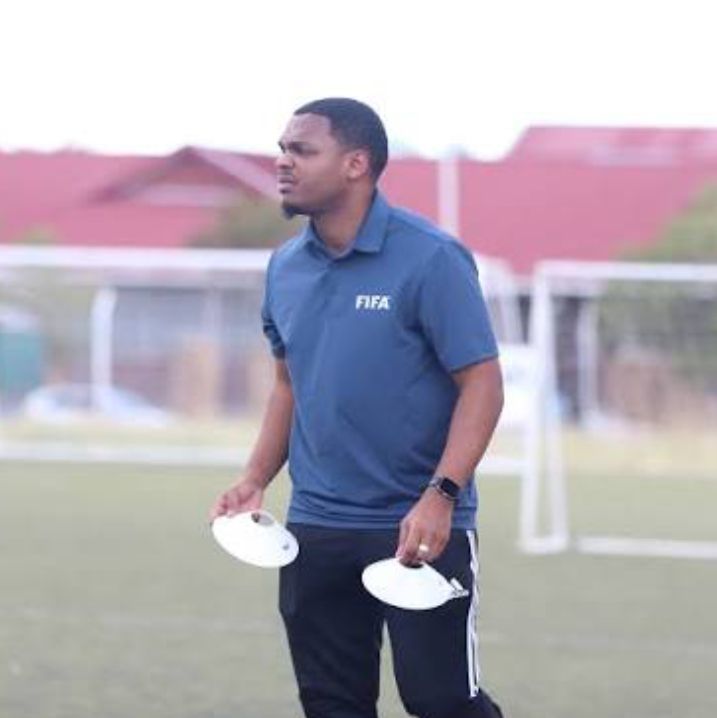
“The FIFA Arena is on a mission to bridge the gap between education and the pitch,” says Melvin Mendy said. “We are building fields and foundations for life. Every mini-pitch we install is a promise to a child that their growth, their safety, and their dreams matter. By 2030, we want these Arenas to be the places where the next generation of leaders—both in and out of jerseys—are forged through teamwork and play.” He ended.
Empowering Youth Across Africa
In Africa, the impact of the FIFA Arena and the broader Football for Schools (F4S) programme is profound. Currently, 46 out of 54 African Member Associations have joined the initiative, representing an 85% participation rate across the continent. Countries such as Morocco, Liberia, Rwanda, and Madagascar are already utilizing these safe spaces to provide youth with access to football and positive social interaction. To support this growth, FIFA provides a comprehensive contribution package that includes the F4S digital app (available in 40 languages), training for thousands of PE teachers, and the distribution of millions of footballs—over 28 million of which have already reached children across Africa.
Furthermore, FIFA’s commitment to the region is exemplified by the “Partenariat pour le Coton” (Partnership for Cotton), a strategic collaboration with the WTO. This initiative aims to shift the value chain for African cotton-producing countries like Benin and Burkina Faso from raw material exports to fully integrated textile production. By the end of 2025, apparel for the Football for Schools programme will be sourced directly from these “C4+” nations, creating sustainable jobs for women and youth while ensuring that the very kits worn by children are a product of their own regional economic development.
Securing a Long-Term Athletic and Social Legacy
The long-term legacy of the FIFA Arena is secured through a technical and social impact plan that integrates grassroots foundations with elite pathways. From national school festivals for children aged 9 to 14 to the identification of talent for the FIFA U17 World Cup, the programme creates a smooth journey for young athletes. By investing in sustainable infrastructure, capacity building for local instructors, and safeguarding education, FIFA is fostering a new generation of footballers and contributing to the broader social and economic development of communities for decades to come.