Football Emerges as a Pillar of African Economic Diplomacy at 2025 Afric Links Forum

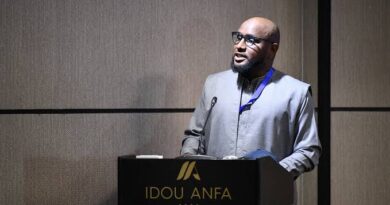
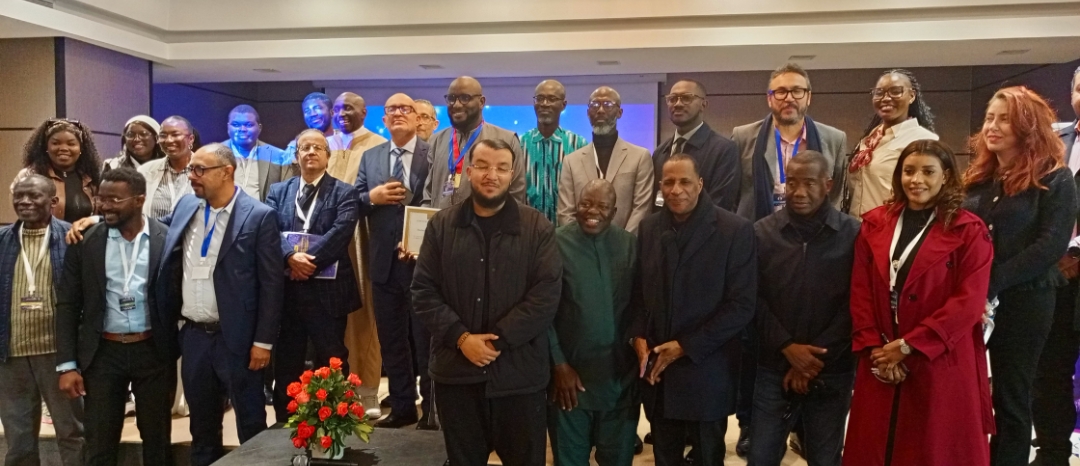
The city of Casablanca recently served as the backdrop for the Afric Links Forum, a high-level summit dedicated to the nuances of inter-African economic diplomacy.
Throughout the event, a prominent consensus emerged among experts and academics: sport, and football in particular, has transcended the pitch to become a central pillar of development and a sophisticated tool of geopolitical influence across the African continent.
In a comprehensive analysis of territorial development, specialist Mohamed Marrakchi characterized the hosting of major international competitions, such as the upcoming Africa Cup of Nations in Morocco, as a calculated strategic investment.
He argued that these events are not isolated occurrences but are the fruit of a long-term national vision. This trajectory is best illustrated by the structural reforms and grassroots investments made over the last fifteen years, most notably the creation of the Mohammed VI Football Academy. Marrakchi highlighted that the Atlas Lions’ historic performance during the 2022 World Cup in Qatar acted as a catalyst, granting the Kingdom global visibility that continues to generate direct benefits for the national economy and the tourism industry.
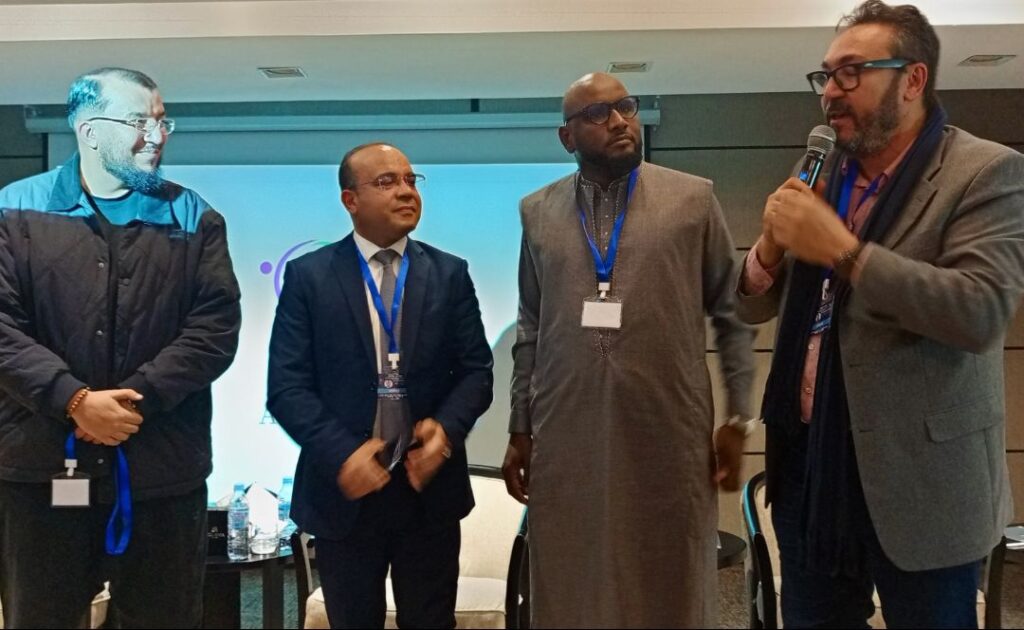
The historical evolution of this influence was further explored by Professor Cherkaoui Roudani, who noted that Morocco’s use of football as a “soft power” asset dates back to its inaugural World Cup appearance in 1970 under the reign of the late King Hassan II. However, this strategy saw a significant acceleration in 2014 under the leadership of Fouzi Lekjaa at the Royal Moroccan Football Federation. Since then, the federation has transformed into a vital diplomatic instrument, fostering continental unity through the signature of numerous cooperation agreements and the active sharing of technical expertise with partner federations across Africa.
Broadening the scope to a geostatistical level, Dr. Yassine El Yattioui of Lyon 2 University asserted that football now functions as an instrument of power projection comparable to traditional diplomatic levers. He observed that a consistently high-performing national team reinforces the institutional credibility and the reputational capital of a state. This phenomenon was clearly evidenced by the exponential rise in digital engagement and global interest in Morocco following its recent international successes.
The forum concluded with a shared recognition that the Moroccan model is built upon a rare coherence between political will and sustainable investment. By aligning athletic excellence with economic strategy, the Kingdom has established a successful blueprint that it now seeks to share with its neighbors, positioning football as a primary vehicle for collective African prosperity and integrated diplomacy.