How Political Turmoil Dethroned Simba and Yanga

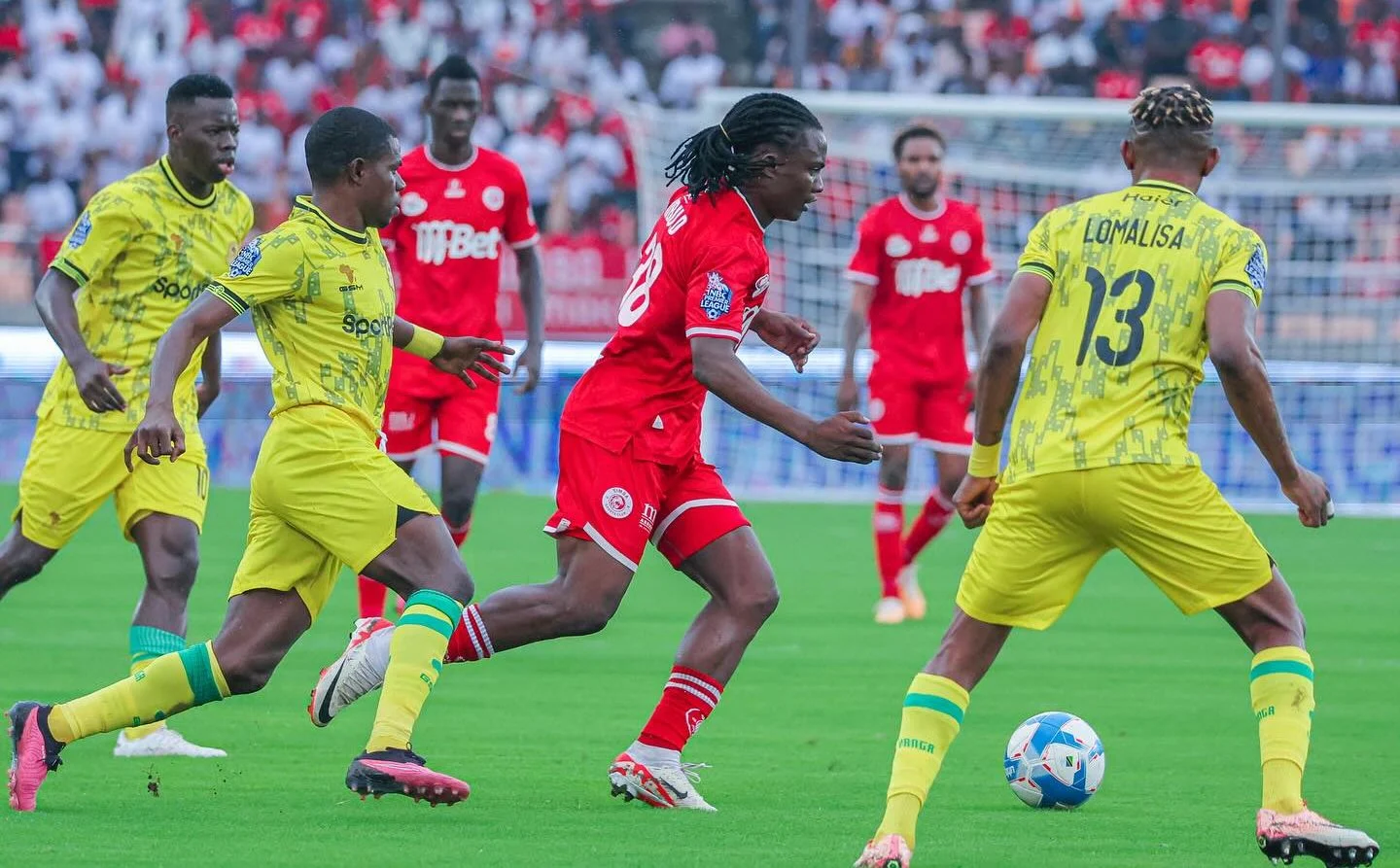
For the first time in eight years, both Simba SC and Young Africans (Yanga) have been eliminated before the knockout rounds of the CAF interclub competitions, marking a staggering regression for a nation that, only a year ago, was considered the destination for African football. The narrative has shifted tragically from to a harrowing political crisis that spilled from the streets and directly into the stadiums.
The fall of these two giants was the direct byproduct of a season defined by administrative chaos and deadly political maneuvering. When the Tanzania Football Federation (TFF) elections and the October 2025 General Elections converged, the country’s collective footballing focus was shattered.
The most significant blow to the sport, however, stemmed from the national political crisis that followed the general elections. After President Samia Suluhu Hassan claimed a controversial ninety-eight percent victory, the country was plunged into darkness. A bombshell forensic investigation by CNN, led by Larry Madowo, utilized geolocated video analysis to reveal that police had used deadly force against unarmed protesters. The report provided chilling evidence of mass graves and overflowing morgues, with opposition groups estimating that nearly eight hundred people were killed. In an attempt to control the narrative, the government imposed a total internet blackout for six days. This digital silence did more than just stifle dissent; it paralyzed the football ecosystem. With no way to coordinate logistics, broadcast matches, or ensure the safety of fans and players, the Tanzanian Premier League was forced into a total suspension. This lack of competitive play during a peak period meant that both Simba and Yanga entered their crucial CAF fixtures undercooked, disconnected, and demoralized.
The heartbreak of this exit is amplified by how promising the landscape appeared just months ago during the African Nations Championship (CHAN) in late twenty-twenty-four. As co-hosts, the Taifa Stars were the revelation of the tournament, becoming the first team to qualify for the quarter-finals through a brand of “joyful football.” Rising stars like Clement Mzize and Feisal Salum seemed destined to lead Tanzanian clubs to a historic continental final, and the “Pamoja” (Together) bid for AFCON twenty-twenty-seven felt like the dawn of a golden era. However, as soon as the CHAN lights dimmed and the election cycle began, that unity fractured. The spirit of togetherness was replaced by partisan bickering and state-led repression.
To see both giants fall in February twenty-twenty-six marks the end of a golden streak that had seen at least one Tanzanian representative in the knockout stages every year since twenty-eighteen. This double elimination is a cold reminder that footballing progress cannot survive in a vacuum of political instability. The “lost year” of Tanzanian football serves as a cautionary tale of how quickly a sporting renaissance can be dismantled by the shadows of political unrest.