Libya-Cape Verde Match Becomes Catalyst for Regional Cooperation

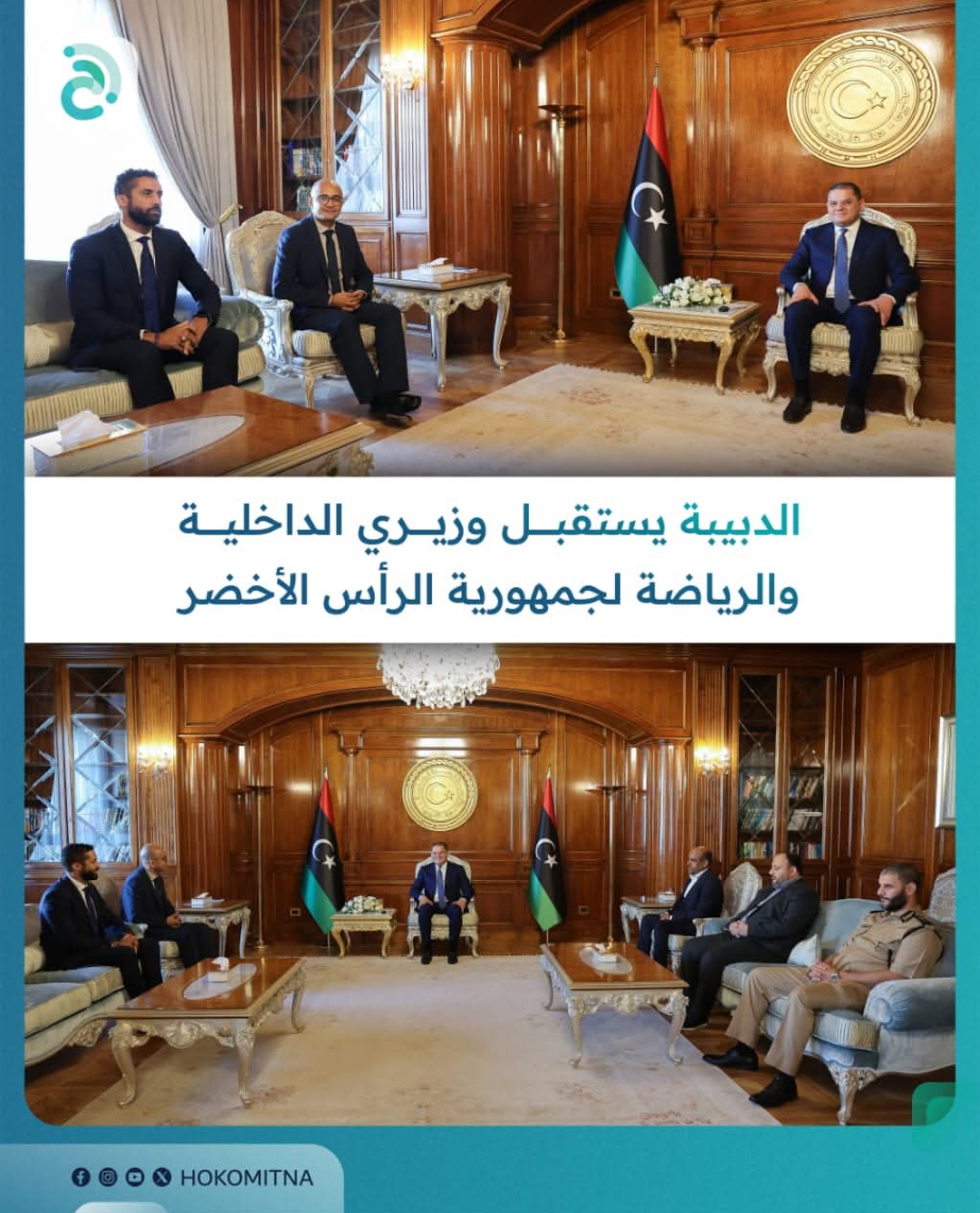
The heart of Tripoli became the epicenter of high-stakes diplomacy and sporting ambition today, as a crucial meeting between Libyan Prime Minister Abdul Hamid Dabaiba and a high-level Cape Verdean delegation elevated the upcoming 2026 FIFA World Cup Qualifier far beyond a mere football match. The gathering underscored the event’s role as a major test of regional security cooperation and a significant step in reinforcing African ties.
High-Level Delegation Solidifies Security Commitments
The stakes of the World Cup Qualifier between the Libyan Mediterranean Knights and Cape Verde’s Blue Sharks were highlighted by the seniority of the visiting officials. Prime Minister Dabaiba welcomed a delegation that included Cape Verde’s Minister of Interior, Paulo Augusto Costa Rocha, and the Minister of Youth and Sports, Carlos do Canto Monteiro.

The presence of the respective Ministers of Interior—with Libya’s Acting Minister, Major General Imad Trabelsi, also attending—was the clearest indication of the meeting’s primary focus: security and logistical preparedness.
Discussions centered on the meticulous, final arrangements for the match, which is scheduled for Wednesday evening. For Libya, successfully hosting a high-profile international event with a top-tier visiting delegation is a crucial marker of stability and organizational capability on the world stage.
“The paramount importance placed on the safety and smooth execution of the event was the core of our discussions,” an official source stated. “This isn’t just about hosting a game; it’s about demonstrating our commitment to regional security partnerships and our capacity to manage large-scale international events.”
Beyond the Pitch: A Framework for African Cooperation
While the football pitch was the immediate reason for the visit, the diplomatic agenda spanned broader themes of African solidarity and enhanced bilateral cooperation.
Prime Minister Dabaiba was effusive in his praise for the official visit, framing it not simply as a matter of sporting courtesy but as a direct reflection of Cape Verde’s leadership’s commitment to consolidating strong, strategic relations with Libya. The ministers explored avenues for future collaboration in the fields of security, youth development, and sports infrastructure.
This political summit serves as a powerful reminder that sports often act as a potent catalyst for political and economic exchange. By using the World Cup Qualifier as a platform, both nations are working to establish a durable framework for partnership that will outlast the final whistle.
The Final Countdown: Technical Preparation Peaks
The diplomatic negotiations occurred in parallel with the frantic final preparations on the sporting front.
Earlier in the day, the official technical meeting for the match was convened, bringing together officials from FIFA, the Confederation of African Football (CAF), the Libyan Football Federation, and the Cape Verdean team management. This meeting confirmed all procedural, logistical, and technical details, from player accreditation and stadium readiness to final kit colors and emergency protocols.

For the players, the convergence of high-level diplomacy and technical scrutiny only amplifies the pressure. The match is a critical juncture in the 2026 qualifying campaign, where every point is vital to securing a spot in the expanded World Cup tournament.
The seamless coordination between the technical and political spheres—from the pitch inspection to the Prime Minister’s office—underscores the unified national effort to make this World Cup Qualifier an undeniable success. It’s a message to the continent: The match is on, and Libya is ready.
The showdown on the field is set for Wednesday evening. This is not just a battle for three points, but a demonstration of strengthening political will and security cooperation between two ambitious African nations.