PFL and Ngannou Part Ways: A Failed Experiment or a Business Inevitability?

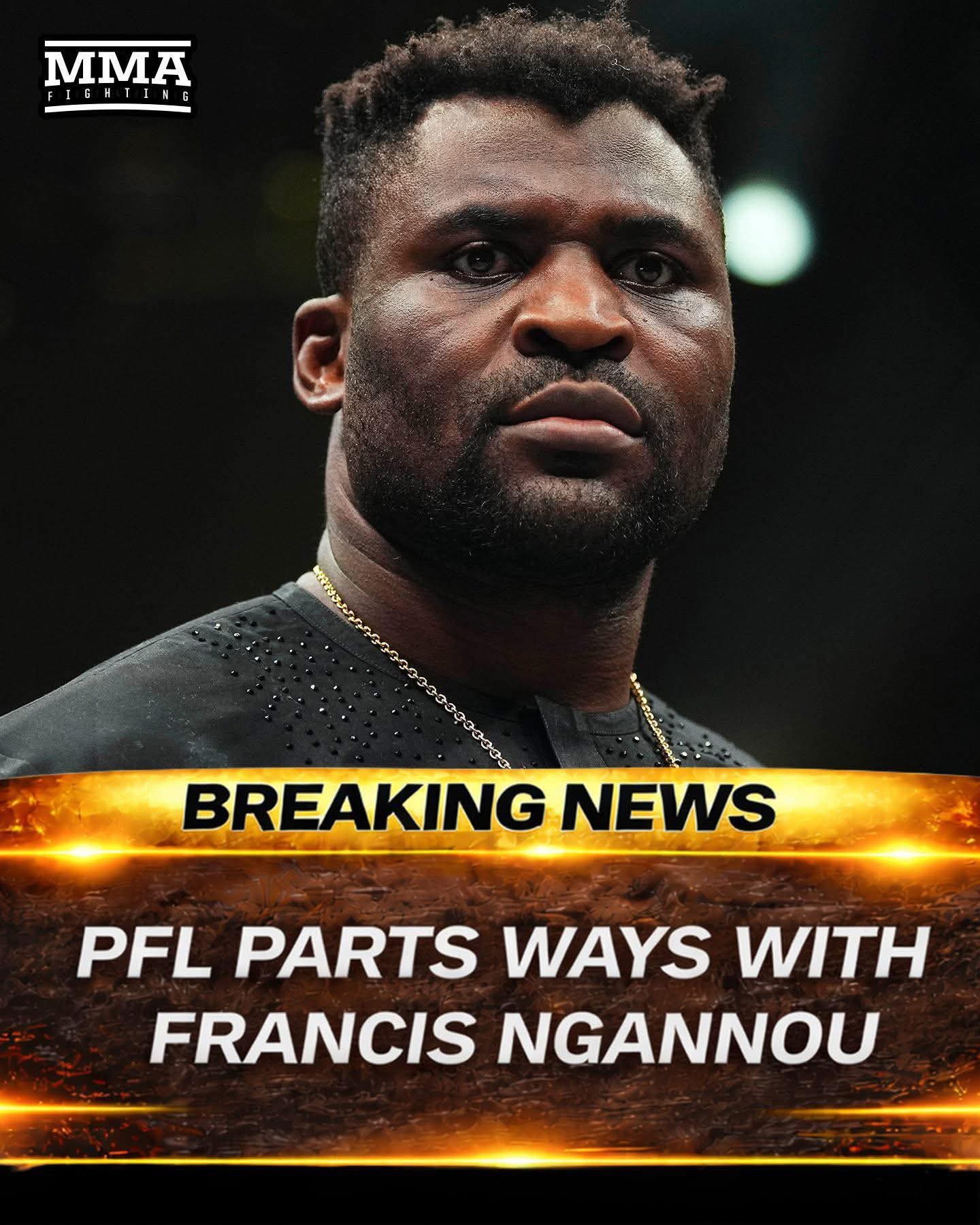
On March 6, 2026, the Professional Fighters League officially confirmed they are parting ways with the former UFC heavyweight champion, Francis Ngannou. It is a conclusion to what was once hailed as the most lucrative and fighter-friendly contract in the history of combat sports, marking the end of a partnership that many believed would change the industry forever.
When “The Predator” signed with the PFL in May 2023, the move was framed as a revolution. Ngannou wasn’t merely a fighter on the roster, but appointed as the Chairman of PFL Africa and granted an executive role that included the freedom to pursue professional boxing matches.
However, the reality inside the cage failed to mirror the grand ambitions of the initial press releases. Since joining the organization nearly three years ago, Ngannou competed only once, securing a dominant first-round knockout victory over Renan Ferreira in October 2024. Despite that flashes of brilliance, he has remained inactive since, leading to a polite but final statement from the PFL confirming their decision to move on and wishing him success in the next chapter of his combat sports career.
This sudden divorce provides a “I told you so” moment for UFC CEO Dana White, who has long maintained a singular narrative regarding the Cameroonian heavyweight. For years, White argued that Ngannou was fundamentally difficult to do business with, claiming that his departure from the UFC in 2023 was not actually about fighter rights or health insurance, but about an athlete who wanted to fight lesser competition for inflated purses while remaining impossible to manage behind the scenes. While fans and media initially championed Ngannou as a martyr for fighter empowerment, the PFL’s decision to cut ties after just one fight lends substantial weight to White’s past criticisms.
The collapse of the deal highlights several factors that suggest the Ngannou business model may be unsustainable for a major promotion. The financial burden was immense, as his contract reportedly included a massive base salary and a requirement for the PFL to pay his opponents a minimum of $2 million. For an organization still striving to establish market share against the UFC, paying such a premium for a star who competes only once every two years creates an architectural strain on the business. Furthermore, Ngannou’s focus on high-profile boxing matches against Tyson Fury and Anthony Joshua often left the PFL in a difficult position; while these bouts grew Ngannou’s personal wealth, they did little for the PFL’s brand identity since their marquee star was rarely available to headline their own events.
Ultimately, the experiment of granting a fighter executive power, such as the chairmanship of a regional division, seems to have created a complicated power dynamic that hindered the promoter-athlete relationship. At 39 years old, Ngannou remains a terrifying force in the heavyweight division, but his options are becoming increasingly narrow. With the bridges to the UFC seemingly burned and his tenure with the PFL finished, he enters free agency having parted ways with the two largest MMA organizations in the world. Whether he heads to RIZIN, explores the bare-knuckle circuit, or continues to chase boxing mega-purses, the debate over his business acumen and the viability of his demands is only just beginning.