Thierry Mouyouma and Gabon’s Bold Bet on African Expertise ahead of Cameroon Cruncher

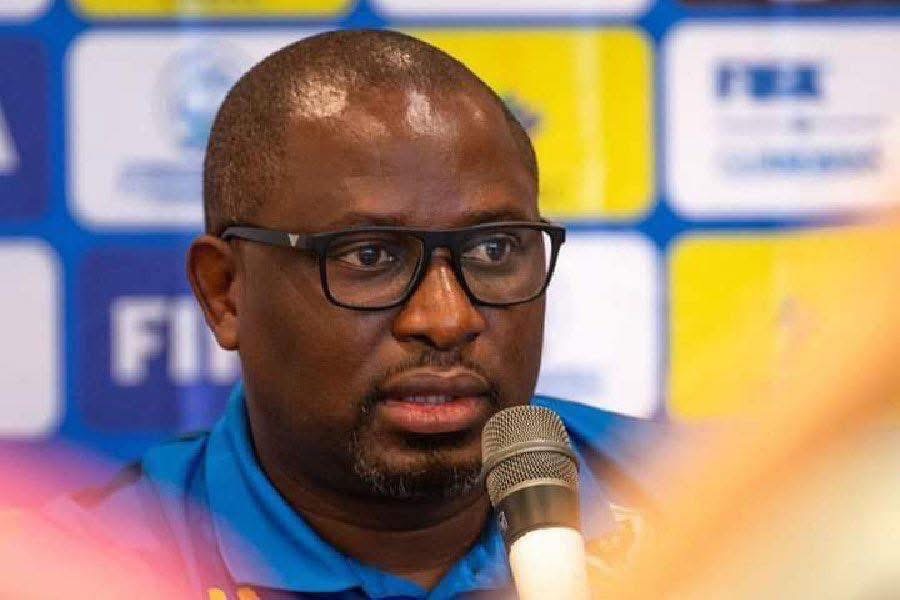
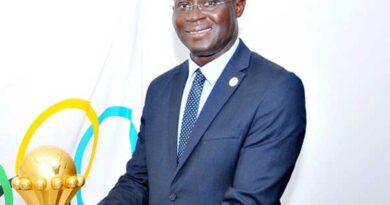
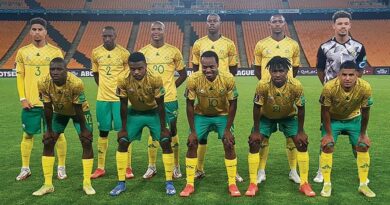
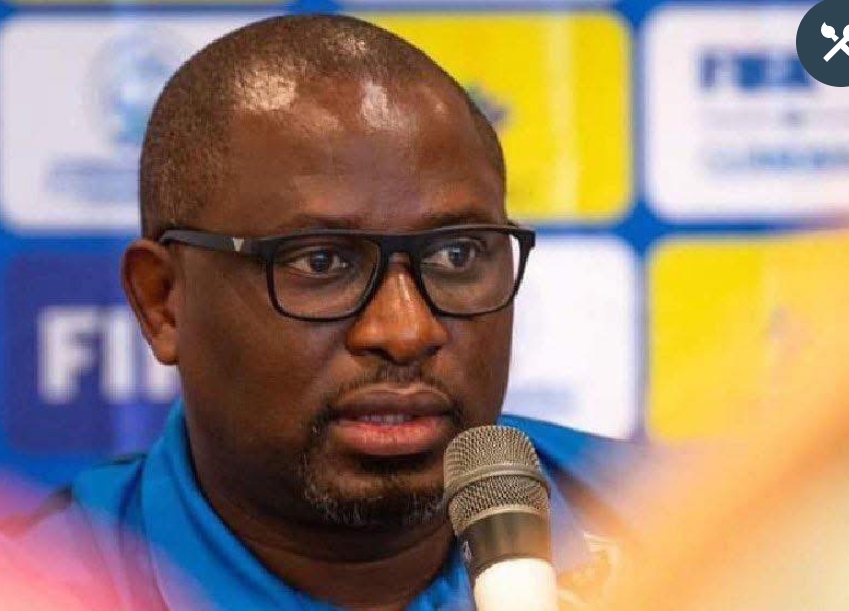
As the 2025 Africa Cup of Nations gets underway in Morocco, Gabon’s head coach, Thierry Mouyouma, is attracting international attention for reasons that extend far beyond the pitch. His message strikes at the very heart of African sport by challenging long-held assumptions regarding who is trusted to lead on the continent’s most prestigious stage. As Gabon prepared for their high-stakes opening matches, Mouyouma maintained a confident and defiant tone, asserting that a victory was imperative to kickstart their campaign. However, his subsequent remarks went beyond simple match preparation, sparking a much wider debate about identity, ownership, and the fundamental belief in African footballing intelligence.
In a tournament that has historically been characterized by the dominance of expatriate coaches from Europe and beyond, Mouyouma has taken a deliberate and symbolic path by assembling an entirely Gabonese technical staff. When questioned on why he resisted the familiar route of bringing in foreign consultants, the coach remained unapologetic in his stance. He noted that the French national team is composed of and led by French nationals without anyone questioning the logic behind it. He argued that because his team is Gabonese, the leadership should reflect that reality. This initiative, which enjoys the backing of the Head of State, is designed specifically to prove the tactical competence and professional readiness of African coaches.
For Mouyouma, this decision is not rooted in mere sentiment or nationalism. It is a calculated strategic statement against what he describes as a lingering “expertise complex,” which is the pervasive belief that true success must be imported from abroad. By placing his total trust in local knowledge, the Gabonese federation is prioritizing continuity, cultural understanding, and long-term capacity building over the temporary, short-term fixes often promised by foreign managers. This move signals a broader national ambition to redefine football governance, ensuring that specialized expertise is developed, valued, and retained within the country’s own borders.
This approach reflects a powerful shift occurring across the entire continent. At the 2025 edition of the tournament, thirteen of the twenty-four participating nations are led by African head coaches, marking a historic milestone for the competition. For many observers, this trend represents a gradual decolonization of the dugout, as national federations increasingly entrust former international stars and local tacticians with their collective dreams. Mouyouma frequently points to recent success stories as definitive proof that this model is effective. He highlights how Aliou Cissé led Senegal to their first ever title through patience and local insight, and how Djamel Belmadi masterminded Algeria’s 2019 triumph by blending tactical discipline with a deep understanding of the national psyche.
Even icons like Rigobert Song have played a role in this movement, embodying national pride from the bench and demonstrating that former players understand the weight of the jersey in a way that outsiders often cannot. Mouyouma believes these figures serve as essential examples for the next generation of African leaders. As Gabon steps onto the stage in Morocco, their campaign carries a significance that transcends the final scoreline. Win or lose, Mouyouma’s stance represents a growing confidence in homegrown talent and a clear declaration that the future of African football should be shaped by Africans themselves. While the team is certainly chasing points on the field, their coach is fighting a larger battle for the power of self-belief.