Uganda Cranes AFCON 2025 “Bible”

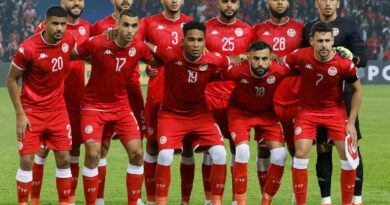
Uganda enters the AFCON with a deep sense of historical purpose. Under the guidance of Belgian head coach Paul Put, who famously led Burkina Faso to the 2013 final, Uganda is looking to recapture the magic of their legendary 1970s era. Their campaign begins on December 23 with a high-stakes opening match against Tunisia at the Stade Olympique Annexe in Rabat.
The Golden Heritage and Modern Recovery
Uganda’s history in the Africa Cup of Nations is defined by a singular, soaring peak followed by a long period of rebuilding. The nation made its debut in 1962, but its most iconic moment came in 1978 in Ghana. Led by the legendary Phillip Omondi, the Cranes stunned the continent by reaching the final, ultimately finishing as runners-up after a narrow 2–0 loss to the hosts. To this day, that silver medal remains the greatest achievement in East African football history.
Following that golden era, Uganda entered a 39-year exile from the tournament, a drought that was finally broken in 2017. They have since shown signs of returning to their competitive roots, notably reaching the Round of 16 in 2019, where they secured their first finals victory in over four decades by defeating DR Congo. The 2025 tournament marks Uganda’s eighth total appearance, and the objective is clear: to prove that the Cranes belong among the continental elite once again.
The Squad: A Blend of Experience and Youth
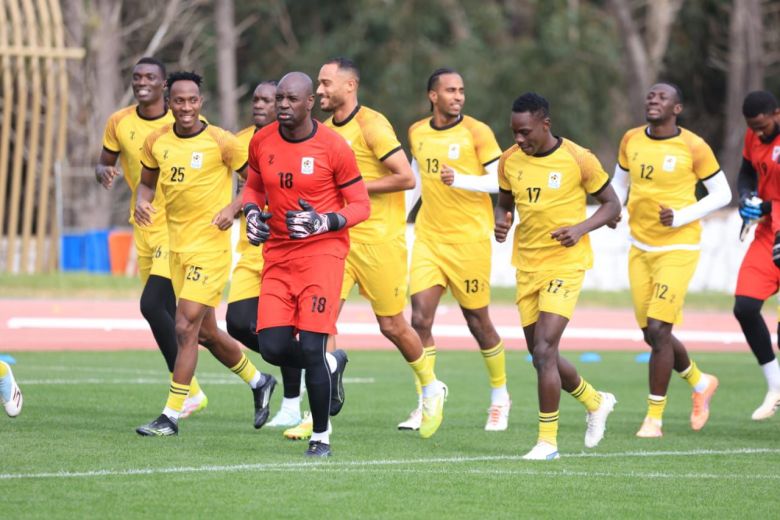
Coach Paul Put finalized a 28-man squad that bridges the gap between the nation’s most decorated veterans and its brightest future stars. A major focal point is the return of legendary goalkeeper Denis Onyango, whose leadership from the back remains a vital asset despite his brief hiatus from the international scene. He is supported by the captain, Khalid Aucho, a disciplined midfielder whose experience in Tanzania and Egypt provides the tactical anchor the team needs in the center of the pitch.
The most exciting storyline in the 2025 squad is the inclusion of 17-year-old sensation James Bogere. Following his standout performance at the U-17 World Cup in Qatar, Bogere earned his first senior call-up and is expected to provide an unpredictable creative spark. He joins an attacking unit led by the prolific Mato Rogers, who arrives in Morocco in blistering form after scoring 15 goals in 17 matches for his club in North Macedonia. Other key players include technical playmaker Allan Okello, who has been involved in nine goals over his last ten international outings, and Steven Mukwala, whose clinical finishing is essential for a team that often relies on counter-attacking efficiency.
Coach’s Vision and Strategic Approach
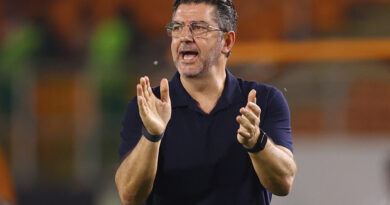
Paul Put has been vocal about the challenges of preparation, particularly regarding the late release of Europe-based players. Despite these hurdles, he has expressed a firm belief in the “mental bravery” of his squad. Put’s strategy revolves around tactical rigour and rapid transitions; he intends to utilize the speed of his young wingers to exploit defenses that commit too many players forward.
During his pre-match address, Put emphasized that Uganda would not be intimidated by the pedigree of their rivals. He stated that the “Cranes are here to compete, not just to participate,” and highlighted that his primary goal is to reach the knockout stages. By integrating young talents like Bogere at the right time, Put is also building a foundation for future tournaments while maintaining the competitive edge required for the current Moroccan campaign.
Group C Dynamics
Uganda finds itself in a challenging Group C that serves as a microcosm of African football. Nigeria enters the group as the heavy favorite, meaning Uganda’s primary objective is to secure points against Tunisia and Tanzania to solidify their standing. The clash against Tanzania on December 27 is the “East African Derby,” a match where form often counts for less than national pride. The opener against Tunisia is a battle of contrasting styles—Tunisia’s patient possession versus Uganda’s high-energy transition play. A positive result in Rabat would put the group’s mathematical outlook in Uganda’s favor before they face the daunting task of the Super Eagles in their final group match.