World Cup Qualification Crisis: Super Eagles Boycott Training Over Unpaid Bonuses

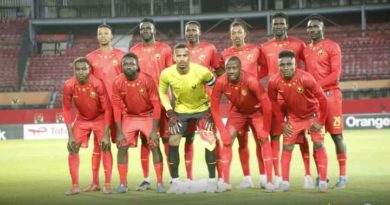
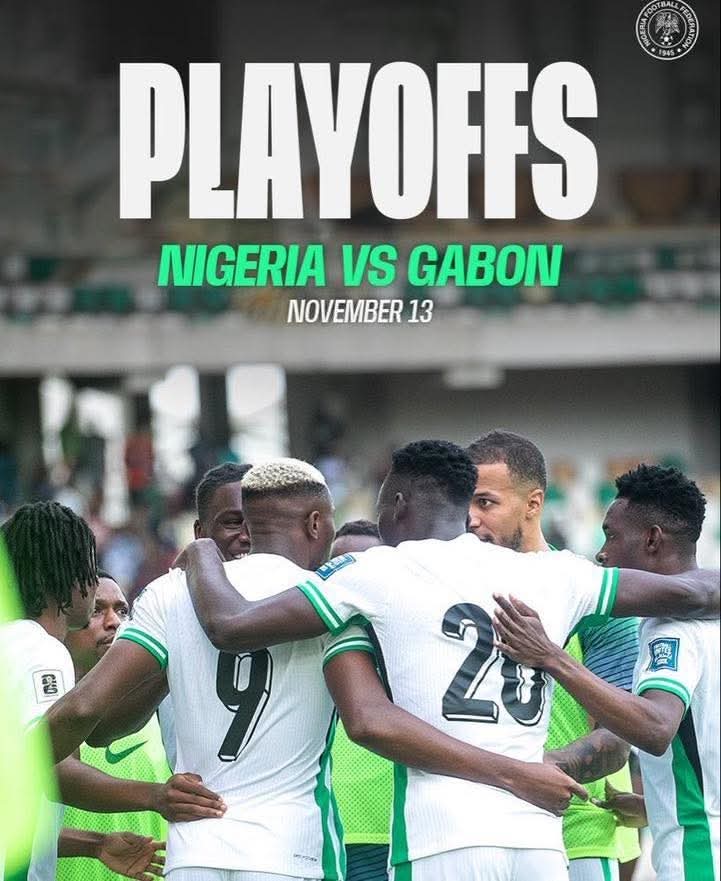
Nigeria’s preparations for their crucial 2026 FIFA World Cup African play-off semi-final against Gabon have been plunged into chaos following a dramatic boycott of the team’s training session on Tuesday. Both the Super Eagles players and the technical staff refused to participate in the scheduled session in Rabat, Morocco, citing long-standing unresolved issues with unpaid bonuses and allowances.
The drastic action, taken just two days before the high-stakes match, underscores a deepening financial crisis that has reportedly plagued the team for years, raising serious concerns about the squad’s focus and morale heading into one of their most important fixtures.
The Heart of the Dispute: Years of Debt
The protest stems from what players describe as a pattern of “empty promises” regarding outstanding payments. Reports from the team’s camp indicate that the arrears stretch back as far as 2019 for some veterans, and include:
- Match Bonuses for previous international engagements.
- Allowances for achievements such as reaching the 2025 Africa Cup of Nations.
- Qualification Bonuses for securing a spot in the current 2026 World Cup play-offs.
A statement reportedly issued by the squad and technical crew confirmed the development:
“The full squad, including officials, withheld from training today in Morocco because of unresolved issues with outstanding payments. The Super Eagles are awaiting a quick resolution to continue preparation for Thursday’s game with Gabon. Thank you. From the players.”
A Shadow Over World Cup Hopes
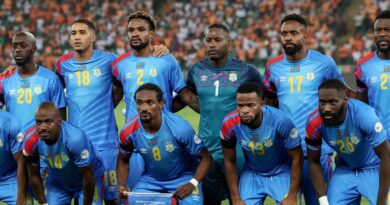
The timing of the boycott could not be worse for the three-time African champions. They are scheduled to face Gabon on Thursday, November 13, 2025, at the Prince Héritier Moulay El Hassan Stadium in Rabat. This match is the first semi-final of the World Cup Africa Playoff Tournament, with the winner advancing to face either Cameroon or the Democratic Republic of Congo for a final chance at a ticket to the expanded 2026 FIFA World Cup.
While key players like Victor Osimhen and Ademola Lookman have joined the camp, bringing a wave of tactical optimism, the financial dispute has now become the dominant narrative. Critics and fans have pointed out that such internal crises often undermine the team’s ability to perform at the highest level.
The current situation is sadly not new, echoing similar bonus disputes that have erupted during major tournaments in the past, including the 2014 World Cup in Brazil.
NFF Under Pressure
As of the evening of Tuesday, November 11, the Nigeria Football Federation (NFF) has not issued an official public statement addressing the players’ protest. However, sources suggest that emergency talks are underway to swiftly resolve the financial impasse. The pressure on the football authorities is immense, as the delay in resolution directly impacts the team’s ability to prepare for the do-or-die fixture.
The incident further fuels the ongoing public and political scrutiny over the financial management of Nigerian football, with calls for greater transparency and accountability growing louder. The immediate resolution of the outstanding payments is now the critical step required to restore order and allow the Super Eagles to resume training ahead of their crucial World Cup qualifier.