Cameroon’s U-17 Lionesses carry the Weight of Crisis to the World Stage

_Cameroon’s U-17 Lionesses are kicking off their World Cup campaign in Morocco today, Saturday, October 18, against a backdrop of profound national turmoil in Cameroon
_The team enters the tournament during a moment of deep political crisis marked by the aftershocks of recent presidential elections and an ongoing internal struggle that has gripped major urban centers.
_Adding to the national anxiety, the team itself has endured recent chaos, including the sacking of their coach over sexual assault allegations just one week prior, which led to a player protest strike.
_Their participation transcends a regular sporting event, serving as a desperate call for unity
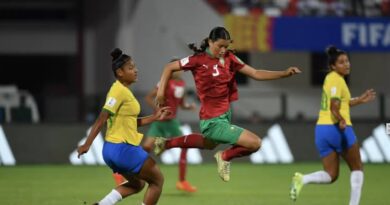
Against a backdrop of national turmoil, the U-17 Lionesses kick off their World Cup campaign in Morocco this Saturday, October 18, carrying the political and personal crises of their nation onto the international stage.
The young squad’s entry into the newly expanded 24-team FIFA U-17 Women’s World Cup comes at a moment of profound instability for Cameroon. The country is reeling from the aftershocks of the recent presidential elections and an ongoing internal power struggle that has plunged major cities into a crisis.
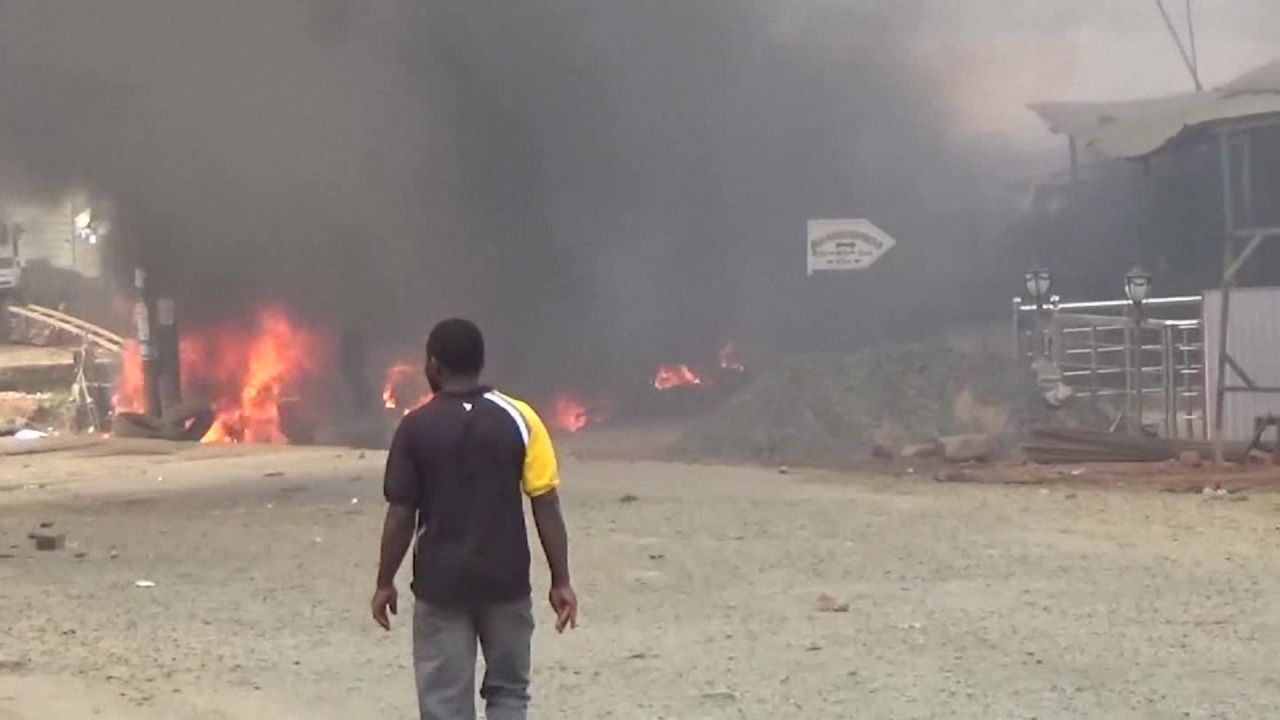
92-year-old President Paul Biya, aiming for an eighth term, remains the ultimate figurehead. Mr. Biya, who famously considers himself the country’s first sportsman, has clinged on even as civil unrest simmers below the surface. Reports of violent clashes and public anxiety have erupted in key urban centres, including the economic hub of Douala, the northern capital of Garoua, Dschang, Limbe, and Bafang. The political climate is a tinderbox, and the recent failure of national teams to deliver glory only adds to the sense of national drift.
Paul Biya has been in power since 1982, making him one of the world’s longest-serving non-royal heads of state. His tenure means that all of the U-17 players have only ever known one president in their lifetimes.
Chaos and Courage: The Team’s Ordeal
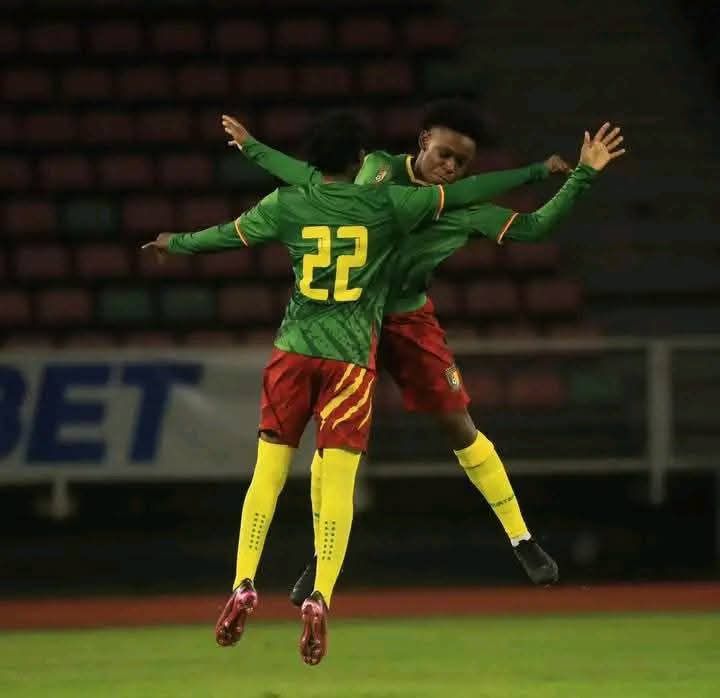
This national anxiety is compounded by the immediate chaos the team has already endured: just one week ago, the football federation sacked their coach over serious sexual assault allegations, a move so controversial it sparked a protesting strike by the players themselves.
Now, as they prepare for their opening match, the girls face a more profound source of distress. For players like Fatima NGAMILIYA, whose homes in the restive North regions are under threat, the tournament is less a celebration of sport and more a desperate call for resilience—a chance to prove their strength when the foundations of their own lives are unsettled.
The irony of the situation is stark. This team, struck with such deep internal and external chaos, is now expected to carry the nation’s fragile hopes. Their ascent to the World Cup follows a string of major disappointments for Cameroon’s senior football teams. The revered Indomitable Lionesses failed to qualify for the 2024 Women’s Africa Cup of Nations (WAFCON) for the first time in over three decades, losing to Kenya on penalties in a shock exit. Furthermore, the Indomitable Lions have endured a tumultuous 2026 FIFA World Cup qualification campaign, missing out on the automatic spot and now clinging to a precarious hope of advancing through the playoffs.
Following in the Footsteps of the U20s
Despite the pressure, the U-17 Lionesses have a powerful recent precedent to draw upon. They could be following the footsteps of the U20 Lionesses, who reached the knockout stage of the U-20 Women’s World Cup last year.
Their own path to a historic knockout spot is challenging. The U-17 Lionesses, who have previously reached the World Cup group stage twice (in 2016 and 2018), failing to progress on both occasions with a collective record of one win and five losses from six games, have been drawn into an exceptionally tough Group B.
Their group includes the formidable Netherlands, a rising power in women’s football; Mexico, a strong CONCACAF force known for its technical skill; and North Korea (DPR Korea), who are three-time world champions in this age category and the reigning champions from the 2024 edition. Against such high-calibre opposition, advancing to the knockout stages would be an extraordinary feat of defiance.
The opening fixture against the Netherlands today will be a baptism of fire. But for the girls of the U-17 Lionesses, this World Cup is no mere game; it is a highly-charged political and social statement. Their fight offers a reminder that football can be a potent unifying factor in a fractured nation.
The power of football
The power of the sport to transcend deep divisions was vividly demonstrated when Cameroon won the 2017 Africa Cup of Nations (AFCON). The victory brought an almost immediate, temporary halt to the “ghost town” (civil disobedience)
movements in the restive English-speaking North-West and South-West regions, as citizens across the entire country poured into the streets to celebrate together.
The U-17 Lionesses are a microcosm of a struggling nation, where hope often lives not in the corridors of power, but in the improbable dream of a few young women in distant Morocco, running on grass that is infinitely greener than the future they have left behind.