
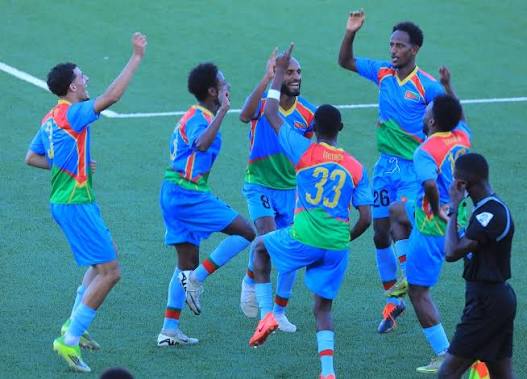
Seven Eritrean Players Defect Following Historic Win

- Reports confirm that seven out of ten Eritrean home-based players have absconded in South Africa
- The incident marks a return to a decades-long cycle of players seeking asylum during away fixtures
- All these after Eritrea ended a 19-year absence from AFCON qualifiers with a 4-1 aggregate win over Eswatini
After nearly two decades of self-imposed isolation, the Red Sea Camels participated in their first Africa Cup of Nations (AFCON) qualifier in 19 years, a move that signaled a new era for football in the Horn of Africa. However, the euphoria of a dominant 4-1 aggregate victory over Eswatini has been eclipsed by the news that seven of the team’s ten home-based players have reportedly absconded while in South Africa.
This recurring phenomenon is precisely why the Eritrean government has frequently withdrawn the team from international fixtures since 2008. For young athletes living under a system of indefinite national service and restricted personal freedoms, an away match serves as a rare window for escape.
Despite the football federation’s efforts to mitigate this risk by integrating more diaspora players from European leagues, the domestic core of the team remains the most vulnerable to defection. The disappearance of these seven athletes follows a long and somber tradition, joining the ranks of over 80 Eritrean footballers who have sought asylum during foreign tournaments over the last 15 years.
On the pitch, the performance was nothing short of a revelation. Led by the finishing of Egypt-based striker Ali Suleiman, Eritrea displayed a level of flair that defied their long absence from the CAF stage. After securing a comfortable lead in the first leg held in Morocco, they solidified their advancement with a resilient performance in Lobamba.
The victory secured Eritrea a place in the 2027 AFCON group stages, a milestone that should have been a point of national pride. Instead, the federation now faces the grim reality of a decimated roster and the likely prospect of further withdrawals from future competitions.
The disappearance of these players creates a profound dilemma for the future of Eritrean sport. While the diaspora players provide a backbone of talent that is less likely to defect, the loss of home-based players undermines the development of the domestic league and the morale of the local sporting community.