FIFA New Rule Targets Player Protests Ahead of 2026 World Cup

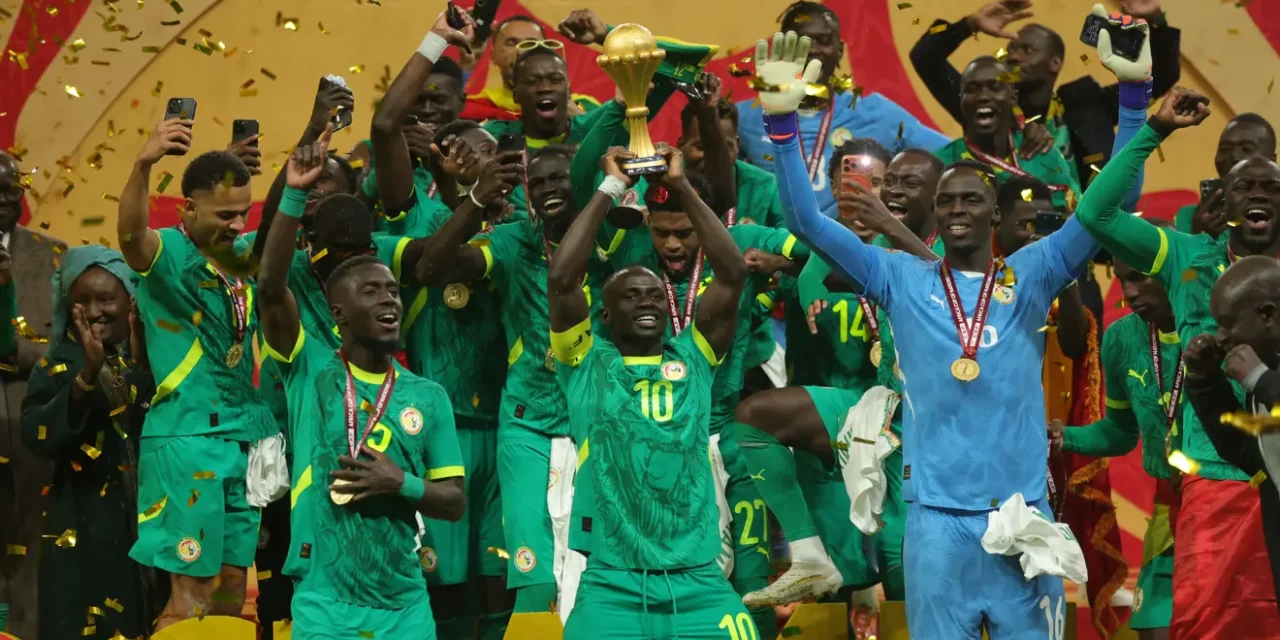
The FIFA Council has introduced a strict new regulation following the controversial events of the 2025 Africa Cup of Nations Final.
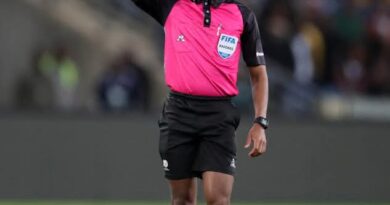
The global governing body has ruled that any player who leaves the pitch in protest against a referee’s decision will face immediate expulsion. Furthermore, individuals—whether players or officials—who incite such actions will also be held accountable under the new directive.
A Reaction to AFCON Turmoil
The ruling comes in direct response to scenes that marred the AFCON final, where tensions surrounding officiating decisions escalated beyond control. The incident, widely criticized across the football world, reignited long-standing debates about player conduct, refereeing authority, and match governance.
For FIFA, dissent must not undermine the structure of the game.
Zero Tolerance at the 2026 World Cup
With the 2026 FIFA World Cup on the horizon, the timing of the decision is deliberate. FIFA is setting a precedent ahead of its flagship tournament, emphasizing that acts of protest—particularly those that disrupt the flow of play—will not be tolerated.
Under the new framework, walking off the pitch in disagreement is no longer just ab unsporting behavior; it is now a direct violation warranting immediate dismissal. This shifts the boundaries of acceptable protest and reinforces the authority of match officials.
Accountability Beyond the Individual
One of the most striking aspects of the ruling is its broader scope. FIFA has made it clear that accountability will extend beyond the individual player. Teammates, coaching staff, or officials who encourage or orchestrate such protests could face disciplinary action.
This collective responsibility aims to deter organized dissent, ensuring that moments of frustration do not escalate into coordinated acts that threaten the integrity of competition.
Balancing Discipline and Emotion
Football has always thrived on emotion, and moments of disagreement with referees are part of the sport’s fabric. However, FIFA’s latest move reflects a growing concern that certain reactions are crossing the line from passion into disruption.
Critics may argue that the rule is overly harsh, potentially penalizing players in high-stakes moments where emotions run highest. Supporters, on the other hand, will view it as a necessary step to maintain order and respect for officials.
A Defining Test Ahead
The effectiveness of this new regulation will ultimately be judged on its implementation. Referees will be under increased pressure to enforce the rule consistently, while players and teams must quickly adapt to the stricter interpretation of dissent.
Whether this hardline approach will curb misconduct or spark further debate remains to be seen, but the governing body has made its stance unmistakably clear.