Africa’s Uncomfortable Love Affair With South Africa

As the Bafana Bafana prepare for the 2026 FIFA World Cup, renewed xenophobic tensions have exposed a painful fracture: a nation liberated through continental solidarity now finds itself accused of turning against fellow Africans. Despite the anger, shared identity continue to emotionally bind Africa to South Africa.
Horror movies before bedtime can trigger nightmares, especially when they revolve around death and sacrifice. That is something veteran Nollywood actor Kanayo O. Kanayo has portrayed to perfection throughout his career, earning the nickname “Nnayi Sacrifice” (Father of Sacrifice) for his iconic roles in ritual-themed films. However, while receiving the Industry Merit Award at the Africa Magic Viewers’ Choice Awards on May 9, Kanayo unexpectedly became the sacrificial lamb himself.
“I don’t like what is happening in South Africa. Africans must not run away from Africa,” he said. The room froze. On a night carefully choreographed around glamour, celebrity, and applause, Kanayo dragged politics into the building like an uninvited relative. Some clapped cautiously. Others looked away. A few probably wished the microphones had suddenly stopped working. It certainly was not in the script.
Kanayo’s country, Nigeria, will not be at the 2026 FIFA World Cup. The Super Eagles finished behind South Africa in the regular qualifiers, although Bafana Bafana were docked points. Nigeria then lost to DR Congo in the playoffs, before another desperate attempt to qualify through FIFA complaints over Congolese dual-nationality eligibility was swiftly dismissed.
South Africa, meanwhile, will open the World Cup against Mexico on June 11—a rematch of the famous 2010 opener, but under entirely different emotional conditions. Back then, Africa rallied around South Africa almost instinctively. The vuvuzelas, the pride, Siphiwe Tshabalala’s opening goal—it felt like the continent had finally walked into football’s grandest ballroom and switched on the lights. This time feels different.
The buildup to the tournament has been clouded by renewed reports of xenophobia and anti-immigrant violence in South Africa. Across several urban centers, socio-economic frustrations have once again curdled into hostility toward foreign African nationals. Civil society organizations such as Xenowatch have documented incidents of door-to-door documentation raids, assaults, harassment, and the denial of public services to migrants. Families have reportedly been displaced. Businesses destroyed. The diplomatic fallout spread quickly across the continent.
Kenya, Malawi, Lesotho, and Zimbabwe have issued travel advisories warning citizens in South Africa to limit movement. Mozambican President Daniel Chapo held emergency talks with South African President Cyril Ramaphosa over the safety of Mozambican workers. Ghana went a step further to petition the African Union Commission in Addis Ababa for an urgent fact-finding mission, arguing that the targeting of foreign African nationals violated the principles of the African Charter on Human and Peoples’ Rights. Soon, the tension spilled into sport.
During the 24th African Athletics Senior Championships in Accra, South African shot putter Aiden Smith posted a viral video complaining about conditions at the Games: “They don’t allow us to take more than one [piece of] chicken.”
Under ordinary circumstances, it would probably have passed as another athlete complaining about tournament logistics. But in this climate, almost everything became political. Social media users across the continent interpreted the outrage through the broader lens of xenophobia, turning a complaint about food portions into another episode in an already heated continental argument.
South Africa’s Minister of Sport, Arts and Culture, Gayton McKenzie, intervened almost immediately, reportedly securing alternative accommodation for the delegation while demanding a full report from Athletics South Africa. Eventually, the South African athletes stayed after organizers addressed their concerns. Still, the atmosphere remained tense.
Veteran journalist Osasu Obayiuwana summarizes the frustration many Africans feel in one sentence: “I hate the Africa-on-Africa violence, which should never happen.” That feeling cuts deep because South Africa’s modern history is inseparable from the sacrifices of the wider continent. For decades, apartheid codified South Africa into a racial state built on exclusion, segregation, and white minority rule. Black South Africans were stripped of political representation, citizenship rights, and economic freedom.
Zambia, Tanzania, Angola, Mozambique, Zimbabwe, and Botswana paid enormous political and economic prices for supporting the liberation struggle. Julius Nyerere and Kenneth Kaunda sheltered exiled South African freedom fighters. Cuban-backed Angolan troops confronted the South African Defence Force at Cuito Cuanavale in a battle that shattered the myth of apartheid military invincibility. Nigeria weaponized its oil economy against Pretoria. It funded anti-apartheid initiatives, sponsored South African exiles, and even nationalized British Petroleum in 1979 over the United Kingdom’s relationship with the apartheid regime. In many ways, South Africa’s freedom was a continental triumph. That is why the emotional paradox of xenophobia unsettles so many Africans.
Across the continent, Nelson Mandela’s face hangs in classrooms across the continent. Miriam Makeba’s music bangs like a newly released jam. Desmond Tutu remains a global moral symbol. African schoolchildren learn these names almost as a continental inheritance. Beyond politics, South Africa stands as one of Africa’s great sporting powers.
The Springboks transformed rugby into a continental source of pride with four World Cups. The Proteas carry Africa’s flag in cricket. Chad le Clos inspired a generation of swimmers. Caster Semenya dominated middle-distance athletics with elegance in London and Rio. Kevin Anderson bore Africa’s Grand Slam hopes on his shoulders for years, while golfers such as Ernie Els and Louis Oosthuizen extended South Africa’s prestige across another global sport. Dricus du Plessis anchors African relevance in combat sports following the decline of Kamaru Usman and Israel Adesanya. Africa does not merely observe South African success. It internalizes it. That is partly why this current moment feels so heartbreaking.
I still remember almost smashing my television set during the 2018 Wimbledon final when Anderson fell to Novak Djokovic. That is how emotionally invested many Africans have become in South African athletes.
According to the 2026 Numbeo Crime Perception Index, South Africa ranks among the countries with the highest crime levels in the world. But reducing those frustrations to migrants creates a dangerous precedent. Undocumented African migrants did not build South Africa’s structural inequality. They did not design an economy where enormous wealth coexists beside poverty. More often, businesses quietly exploit undocumented labor because vulnerable workers are easier to underpay and easier to silence. Meanwhile, political rhetoric redirects public anger toward migrants—rather than the economic systems profiting from desperation. The real conversation, therefore, should begin in the boardroom, because once corporations are prevented from exploiting cheap undocumented labor, the economic resentment fueling xenophobia begins to weaken.
History matters. When united, Africa is tough to defeat. Perhaps that is why the upcoming World Cup opener against Mexico feels layered with symbolism.
Mexico may ultimately emerge as the strange beneficiary of Africa’s internal fractures. Mexican fans openly backed DR Congo during the World Cup playoffs, partly because Jamaica represented a direct CONCACAF rival.
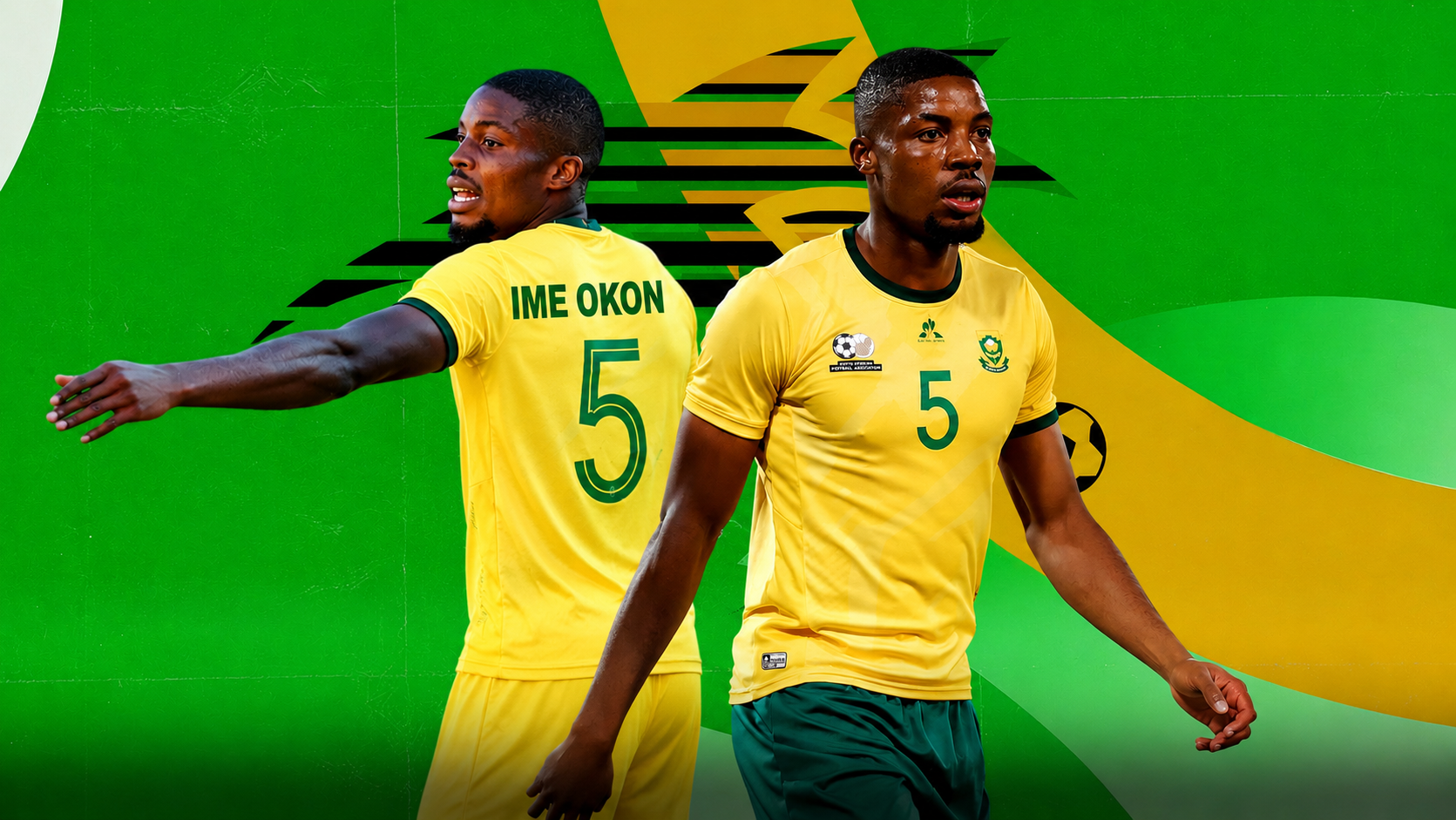
Despite the frustrations and the social media banter, I still suspect millions across Africa will quietly tune in hoping Bafana Bafana win, because Africa’s relationship with South Africa represents something ancient. Even football itself reflects that interconnectedness. Belgian coach Hugo Broos reportedly included Hannover 96 midfielder Ime Okon in his preliminary World Cup squad. Ime is born to a South African mother and a Nigerian father. That is Africa too. For all the anger and painful headlines, Africa’s story has never truly been one of separation. It has always been one of entanglement.