Abidjan’s Finest Carry Hope From the Ashes of Koumassi Camp

Days after thousands were left homeless in a disputed demolition, seven Abidjan-born players will lead Ivory Coast into their World Cup opener against Ecuador, offering a battered city a rare reason to dream.
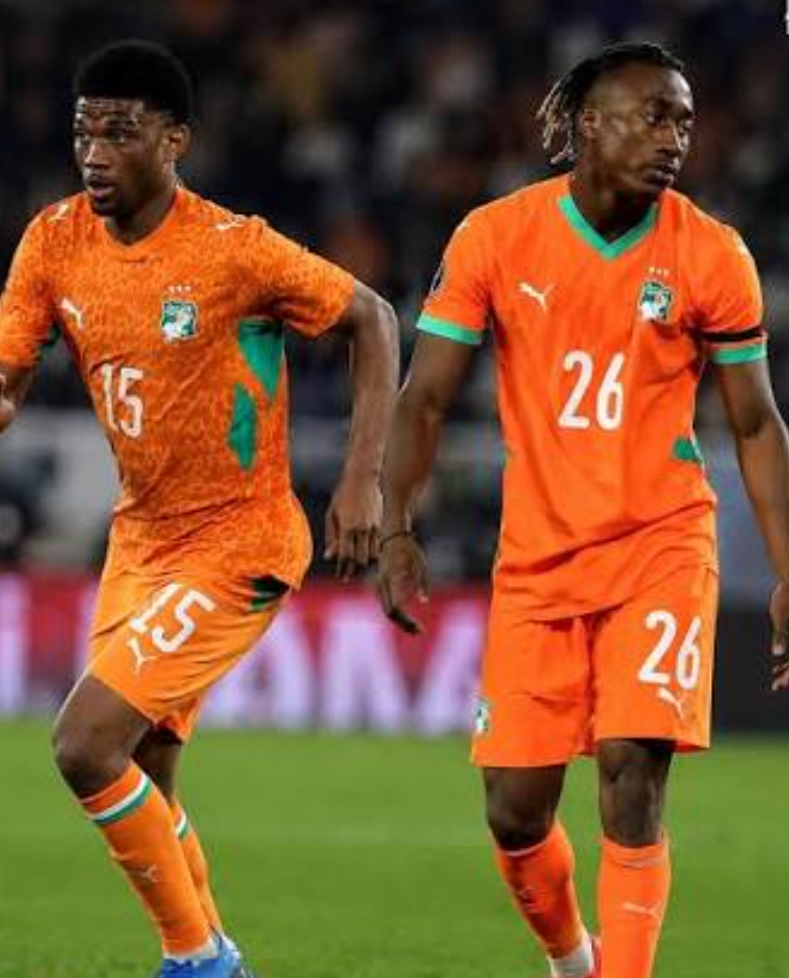
As darkness settles over the ruins of Koumassi Camp, children gather around a small television powered by a borrowed generator. Around them lie broken walls, twisted sheets of metal and the remains of homes bulldozed earlier this month. In the early hours of Monday, when Ivory Coast face Ecuador in their opening match of the 2026 FIFA World Cup, many of those children will be watching seven players born in Abidjan represent their city in football’s biggest stage.
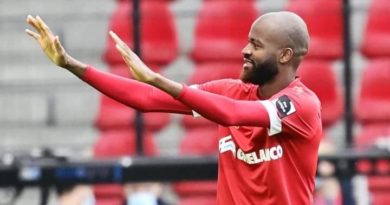
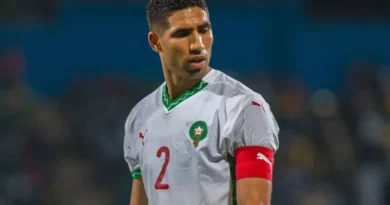
Amad Diallo, Yan Diomandé, Bazoumana Touré, Mohamed Koné, Odilon Kossounou, Ousmane Diomandé and Christ Inao Oulaï are among the 26 players selected by Emerse Faé for the tournament. Their presence in the squad comes at a moment when their hometown is grappling with a painful and somewhat controversial episode.
Abidjan remains one of West Africa’s most vibrant cities, a bustling economic hub that has produced generations of football talent now starring across Europe and beyond. However, thousands of its residents are now sleeping under tarpaulins, in classrooms and makeshift shelters after watching years of sacrifice disappear in a single morning, on June 3rd.
Bulldozers flattened large sections of Koumassi Camp, a densely populated district of Abidjan. Former residents insist many of the homes were legally built and owned, with families spending years saving and building brick by brick. Some now live among the ruins, exposed to rain and poor sanitation, while others have sought refuge in nearby schools.
For Souleymane Zebe, a 46-year-old construction worker, the shock remains difficult to process. Residents say they were woken before dawn on June 3rd by the sound of bulldozers entering the neighbourhood. Witnesses allege security forces used tear gas as homes were demolished, leaving families scrambling to salvage whatever possessions they could.
“You’re born and raised here. Then one day they come and destroy everything with no warning,” said Assana Traore, a pregnant 29-year-old resident who now wanders through the debris where her home once stood, through the mic of Radar Africa.
Authorities say the demolition was not part of the government’s urban renewal programme and allege that a private individual used a fraudulent court document to organise the operation. Many residents remain unconvinced, questioning how such a large-scale demolition could have taken place without official involvement. Opposition leaders have also demanded answers as investigations continue.
Against that backdrop, the World Cup arrives as more than just a football tournament. In Ivory Coast, the sport has long served as a common language capable of uniting people across political, social and ethnic divides. The national team’s campaign therefore carries added significance at a time when frustration and uncertainty dominate public discussion.
For many Ivorians, the seven Abidjan-born players in the squad represent much more. They act as a reminder of the city’s resilience, ambition and ability to produce excellence. Like many Ivorian stars before them, several emerged from modest backgrounds and developed their talents on the same streets and community pitches that continue to inspire young dreamers across the city.
The importance of Monday’s match extends beyond a game. A positive result against Ecuador would provide Ivory Coast with a valuable platform in their pursuit of a place in the knockout rounds and maintain the momentum generated by their recent record including a 2-1 friendly win against France.
For displaced Koumassi Camp citizens, football cannot restore lost homes or answer the many questions that remain. Yet, a victory over Ecuador would provide something that has been in short supply since the bulldozers arrived: a reason to smile.