WAFCON 2026 Set to Begin in the Shadow of the World Cup

On the back of a World Cup hangover, African football enthusiasts are so drained that CAF President Patrice Motsepe, speaking at his post-World Cup press conference at the Sandton Sun Hotel in Johannesburg on July 22, was misquoted regarding the increase of teams in the men’s AFCON.
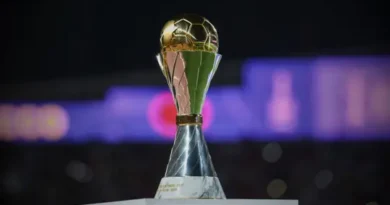
With Africa—and indeed the rest of the world—having had an overdose of football this summer, women’s football is once again playing second fiddle as WAFCON kicks off this Sunday, July 26th, in Morocco. Even a significant increase in prize money—doubling the champion’s share to $2 million—has failed to generate the expected pomp for a competition set to unfold across three action-packed weeks.
The narrative leading into this tournament has been dominated by friction and public queries. The competition was postponed just two weeks before its initial programme (March 17 – April 3) due to scheduling conflicts and political fallouts following the men’s AFCON final. Controversy mounted as rumors swirled that Morocco might lose hosting privileges altogether, but CAF ultimately held firm on retaining the host nation while locking in the new July 26th start date. The delay provoked vocal dissatisfaction from Africa’s premier talents, including six-time African Footballer of the Year Asisat Oshoala, who publicly called out governing authorities on social media over the disruption to players’ professional calendars and fitness regimes.
This structural turbulence reinforces a familiar grievance among female athletes who feel women’s football remains secondary, even as global and continental frameworks expand. The “marginalization” arrives at a bitter moment, considering the sport is experiencing institutional growth. This edition marks a milestone transition to a 16-team format, up from 12. Furthermore, the tournament doubles as the pathway to the expanded 2027 FIFA Women’s World Cup, where Africa’s allocation has surged to a potential six nations, comprising four direct qualification slots alongside two global play-off spots. Despite these expanding horizons, player complaints regarding systemic neglect continue to highlight the divide between official ambition and execution.
Off the pitch, local political dynamics in the host country adds some complexity in this edition. The Royal Moroccan Football Federation (FRMF) President Fouzi Lekjaa announced in June that Morocco will reduce its bids for future CAF events after this WAFCON, shifting the nation’s primary focus toward co-hosting the 2030 FIFA World Cup. At the same time, domestic governance remains in limbo after the FRMF presidential election was postponed to September 2026. While Lekjaa stays in office until the formal elective assembly takes place, whispers across Moroccan sporting circles suggest he is no longer the automatic favorite to retain his post amidst shifting institutional priorities.
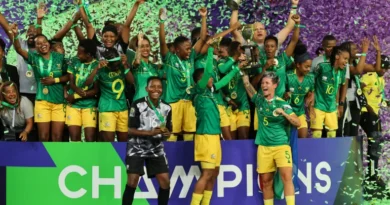
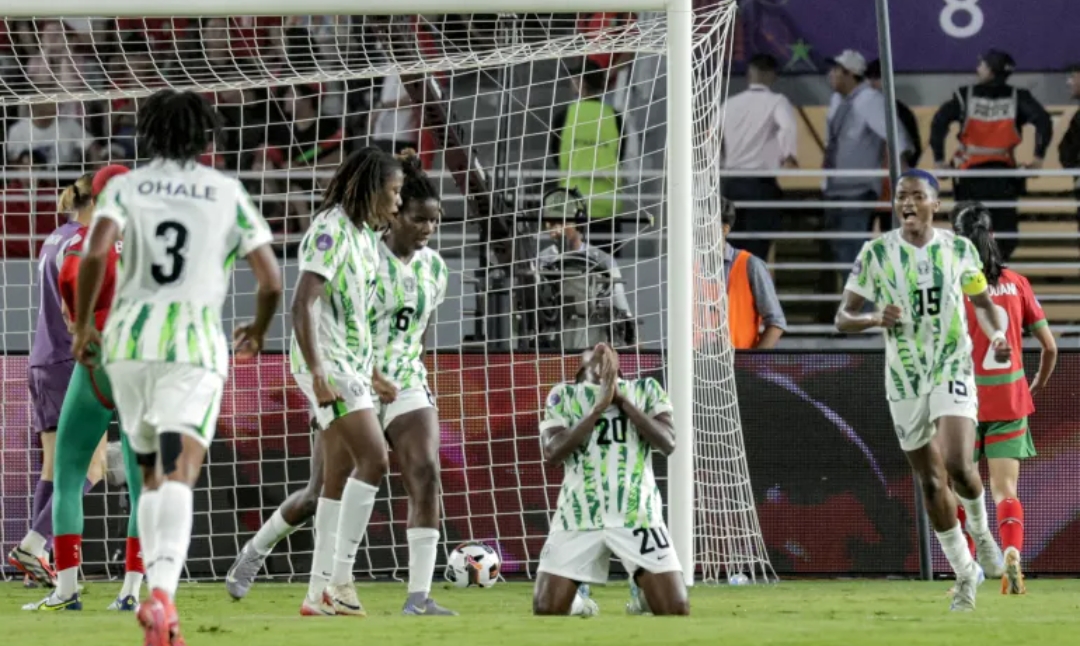
On the pitch, the expanded 16-team standard promises a fiercely competitive tournament. Standard bearers Nigeria enter as defending titleholders and ten-time champions, having claimed the trophy in valiant fashion during the previous edition in Morocco. 2022 champions South Africa, led by coach Desiree Ellis, navigated their qualification path with relative assurance as they prepare to mount another title challenge. Host nation Morocco automatically qualified and aims to finally clear the final hurdle after finishing as runners-up in back-to-back tournaments. Meanwhile, dark horses Zambia booked their ticket following a high-scoring qualification campaign, establishing themselves as genuine contenders alongside resurgent powerhouses Ghana and Senegal, all of whom survived rigorous preliminary home-and-away knockout rounds to lock in their places in North Africa.
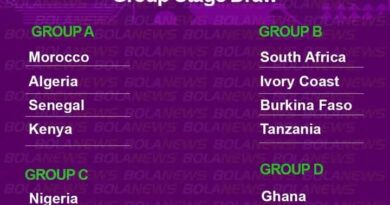
Group A
Morocco
Algeria
Senegal
Kenya
As the host nation, Morocco qualified automatically for the 2026 tournament, marking their fifth WAFCON appearance. The Atlas Lionesses made history on home soil in 2022 by reaching their first final and repeated the feat in the 2024 tournament, finishing as runners-up on both occasions. Head coach Jorge Vilda, who previously guided Spain to FIFA Women’s World Cup glory, leads a highly structured and technically gifted squad. Backed by passionate home support, Morocco holds high chances of progressing from Group A as group winners and making a deep run into the knockout rounds.
Joining them in the group is Algeria, entering the 2026 edition for their seventh overall appearance with the goal of building on their quarter-final run from 2024. Les Vertes delivered shocking results in the qualifiers by defeating perennial powerhouses Cameroon 3–1 on aggregate, driven by home and away goals from midfielder Marine Dafeur. Under the guidance of head coach Farid Benstiti, the side has developed a strong defensive backbone combined with swift transition play, giving them a solid chance to challenge for second place or a knockout spot as a top third-placed team.
Senegal makes their fourth appearance at the continental showpiece, having established commendable consistency by reaching the quarter-finals in both 2022 and 2024. The Lionesses of Teranga earned their place in Morocco with dominant victories across the preliminary and second qualifying rounds. Head coach Mame Moussa Cissé has cultivated a physically resilient and disciplined squad capable of matching Africa’s top sides, setting up a fierce battle with regional rivals Algeria for second spot in the group.
Rounding out Group A is Kenya, returning to the final tournament for just their second WAFCON appearance following their 2016 debut. The Harambee Starlets punched their ticket to Morocco by overcoming regional qualification rounds, capped off by an impressive 4–1 aggregate victory over Gambia. Led by head coach Beldine Odemba, Kenya brings high enthusiasm and tactical energy to the pitch, though competing alongside hosts Morocco and two experienced North and West African sides leaves their chances of making it out of the group on the lower side.
Group B
South Africa
Burkina Faso
Tanzania
Ivory Coast
In Group B, 2022 champions South Africa enter their 14th WAFCON tournament as one of the pre-tournament favorites. Banyana Banyana cruised through their qualification fixtures to begin another title push on Moroccan soil. Under the leadership of head coach Desiree Ellis, a three-time CAF Women’s Coach of the Year, the squad combines veteran international experience with a fluid, high-tempo attacking scheme, making them strong contenders to top the group and advance comfortably into the quarter-finals.
They are joined by Ivory Coast, who make their third WAFCON appearance looking to match or surpass their third-place finish from 2014. The Elephants secured their spot in the expanded 16-team tournament field as one of the highest FIFA-ranked nations during the final qualification phase. Guided by experienced French tactician Reynald Pedros, the team features a strong athletic presence and dynamic talent playing across top European leagues, placing them in a good position to reach the knockout stage.
Burkina Faso prepares for their second WAFCON finals after making their tournament debut in 2022, where they were halted in the group stage. The Stallions advancedto this tournament finals through two knockout rounds during qualification, spearheaded by exciting performances from forward Adèle Kabré. Head coach Pascal Sawadogo has instilled a brave, attacking philosophy into his squad, though facing formidable opponents like South Africa and Ivory Coast presents a steep challenge.
Tanzania on their part are in their third WAFCON tournament after previous group-stage appearances in 2010 and 2024. The Twiga Stars earned their passage to Morocco by displaying remarkable defensive discipline throughout the regional qualifying campaign. Managed by head coach Bakari Shime, the team is known for its tactical organization and quick counter-attacking style, but drawn into a demanding group, they face an uphill battle to secure passage to the next round.
Group C
Nigeria
Zambia
Egypt
Malawi
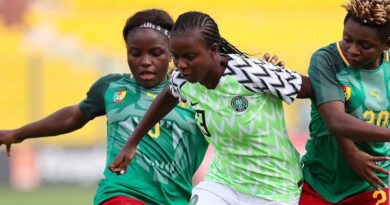
Group C features record ten-time continental champions Nigeria entering as defending titleholders seeking an eleventh crown, having claimed the previous tournament in Morocco. The Super Falcons sealed their 2026 qualification in convincing fashion with a 3–1 aggregate victory over Benin, backed by goals from Esther Okoronkwo, Chinwendu Ihezu, and Ashleigh Plumptre. Under head coach Justin Madugu, Nigeria boasts a star-studded roster operating at the highest levels of world football, making them clear favorites to top Group C and advance deep into the competition.
Zambia qualified for their fifth overall and fourth consecutive WAFCON finals, looking to build upon their bronze-medal performance in 2022. The Copper Queens stormed through qualification by dismantling Namibia 7–2 on aggregate, with forward Racheal Kundananji scoring four goals across the tie. Led by head coach Nora Häuptle, Zambia plays an aggressive, direct attacking game that causes problems for any defense in Africa, positioning them as strong contenders to advance alongside Nigeria.
Egypt returns for their third WAFCON appearance, seeking their first-ever knockout berth after group-stage exits in 1998 and 2016. The Lady Pharaohs gained entry into the final tournament via the FIFA ranking allocation pathway following the qualification expansion. Head coach Mohamed Kamal has worked on strengthening the squad’s defensive compactness and game management, though facing both Nigeria and Zambia makes their path to the quarter-finals exceptionally difficult.
Malawi makes history as one of two debutant nations at the 2026 WAFCON tournament. The Scorchers reached their maiden continental finals by holding Angola to a goalless draw away before Faith Chinzimu scored a decisive second-leg brace in Lilongwe to claim a historic 2–0 aggregate victory. Managed by head coach Lovemore Fazili, the team plays with immense energy and spirit, making their qualification a landmark achievement even as they face a tough task in a competitive group.
Group D
Ghana
Cameroon
Mali
Cabo Verde
Group D sees Ghana entering their 12th WAFCON final tournament, searching for their maiden title after finishing as runners-up on three previous occasions in 1998, 2002, and 2006. The Black Queens delivered a statement qualification campaign by crushing Egypt 7–0 on aggregate, headlined by a four-goal display from striker Doris Boaduwaa. Head coach Kim Lars has energized the 2018 hosts with an assertive, possession-based strategy, giving Ghana strong prospects to progress and push for the semi-finals.
Four-time runners-up Cameroon are in their 13th WAFCON tournament. Despite a setback in the second qualifying round against Algeria, the Indomitable Lionesses secured their ticket to Morocco via their high FIFA continental ranking. Head coach Valentine Nguele was appointed to replace Jean Baptiste Bisseck who was fired earlier this year. She leads a squad transitioning between established international veterans like Gabrielle Aboudi Onguéné and dynamic young talent, with their deep tournament experience keeping their knockout hopes high. Star forwards Nchout Ajara and Falone Meffemetou have inexplicably been left out of the squad.
Mali makes their ninth WAFCON appearance, with their best historical run coming in 2018 when they reached fourth place. Although they suffered a narrow aggregate defeat to Cabo Verde during the second qualifying round, Mali earned their spot in the expanded 16-team finals via their solid FIFA ranking position. Head coach Mohamed Saloum Houssein has developed a physical and resilient team setup capable of challenging for a quarter-final place.
Cabo Verde makes their historic WAFCON debut in 2026, writing one of the most remarkable chapters of the qualification campaign. The Blue Sharks staged an incredible comeback against Mali, recovering from a home defeat in the first leg to win away in Bamako and secure a 4–3 aggregate triumph. Led by head coach Silvéria Nédio, the islanders bring a fearless attacking spirit to their first continental showcase, completing a formidable group line-up.
On Friday, the Confederation of African Football announced that it had secured global television coverage for the tournament. Leading European broadcasters, such as Channel 4 in the United Kingdom, DAZN across Germany and neighboring territories, and Ziggo in the Netherlands, will air the competition. The tournament set to get underway on Sunday – Algeria taking on Senegal in the opening fixture in Rabat before hosts Morocco face Kenya later in the evening. There will surely be a crowd, because Morocco lives football, but queries regarding how the competition has been treated remain in the offing, and probably will never get a proper answer.