DR Congo’s Mental Fortitude Makes Them Tricky Group K opponents

– Denied direct World Cup qualification by Senegal, forced through a playoff gauntlet and deprived of a traditional farewell before departure, DR Congo arrive at the World Cup carrying a compelling story of resilience.
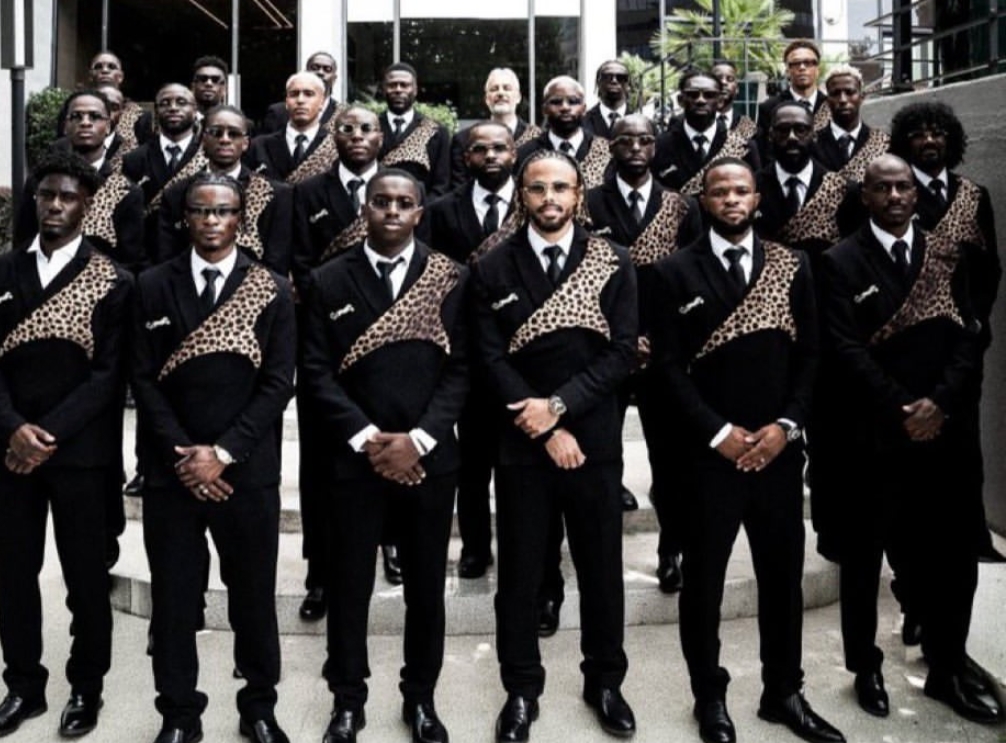
When the Democratic Republic log horns against Portugal in their opening match of the 2026 FIFA World Cup this Wednesday, they will carry more than the expectations of a football-frenzy nation. They equally carry the weight of a journey unlike any other at this tournament. While some teams arrived in North America through orderly qualification campaigns and celebratory send-offs, the Leopards travelled a road marked by heartbreak, public unrest, exhausting playoff battles and extraordinary circumstances away from football. Their place among the world’s elite was wrestled from adversity.
The first major wound came during the qualification campaign itself. For months, DR Congo found themselves engaged in a duel with Senegal for the group’s automatic World Cup berth. Every point carried enormous significance. Across Kinshasa, Lubumbashi and beyond, anticipation began to build that the nation could finally secure a direct return to football’s greatest stage after five decades. Yet football can be cruel precisely because dreams often disappear when they seem closest to becoming reality. Senegal ultimately prevailed when it came down to the wire, collecting a 3-2 away result required to finish ahead of the Congolese and move above the Central Africans in Group B. The margin separating success and disappointment was narrow, making the outcome even harder to accept.
What followed revealed just how deeply football is woven into the fabric of Congolese society. Frustration and anguish erupted in the Stade des Martyrs in Kinshasa as supporters struggled to come to terms with another World Cup dream potentially destroyed. Scenes of unrest turned the iconic stadium into a scene of chaos and devastation.
Denied the shortest route to the World Cup, the Leopards were forced onto the longest. The playoffs offered no comfort and no margin for error. Their first obstacle was Cameroon, five-time African champions and a side accustomed to high-pressure occasions. The Indomitable Lions possessed experience, pedigree and the psychological advantage that comes with repeated appearances on the biggest stages. Yet Congo stood firm. Through collective sacrifice and determination, they found a way courtesy of captain fantastic – Chancel Mbemba, whose header on the cusp of full-time kept the dream alive.
There was little time to celebrate because another heavyweight came forth. Nigeria, blessed with an abundance of talent, was the next roadblock between DR Congo and the next phase of qualification. The Leopards embraced the role of underdogs. Once again, they refused to yield. After a one-all draw, Sébastien Desabre’s men booked a ticket to the intercontinental playoffs through the lottery of penalties.
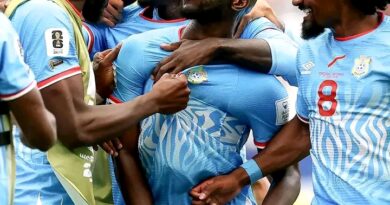
Beyond Africa and across the Atlantic, their next destination was Mexico. Congo’s final opponent was Jamaica. By this stage, the campaign had become an odyssey. Every challenge overcome seemed only to reveal another waiting on the horizon. The encounter with the Reggae Boyz carried way too much tension because years of effort rested on a single match. It ultimately took another late intervention, this time from Axel Tuanzebe in extra time, to send the Leopards to the 2026 FIFA World Cup. Fifty-two years after their lone previous appearance, qualification was finally secured. The celebrations were entirely justified.
Ahead of the World Cup preparations, social circumstances conspired against the team, yet again. While other World Cup participants enjoyed farewell matches, open training sessions and emotional send-offs from packed stadiums, the Congolese squad departed under very different conditions. Restrictions linked to the Ebola outbreak disrupted public gatherings and prevented the traditional communion between players and supporters. They camped in Belgium and Spain instead, preparing away from the embrace of the supporters who had travelled every step of the journey with the team.
That ability to transform hardship into strength is embedded in Congolese society and is perhaps best captured by the expression “Fimbu ya Chicotte.” Rooted in the country’s colonial history, the phrase evokes the infamous chicotte, the whip used by colonial authorities as an instrument of punishment and oppression. What once represented pain and humiliation has, over time, been reclaimed and reinterpreted as a symbol of resilience. The transformation is visible even within the national team, where players have adopted the Fimbu gesture as a trademark celebration. It is a powerful image: a symbol born from suffering now used to celebrate achievement. In many ways, it perfectly encapsulates the mentality of this Congolese generation. The heartbreak of losing direct qualification to Senegal, the unrest at the Stade des Martyrs, the playoff victories over Cameroon and Nigeria, the intercontinental showdown with Jamaica and even the disruption caused by the Ebola outbreak could each have weakened the squad. Instead, they became sources of motivation. Like the spirit embodied by Fimbu ya Chicotte, the Leopards have repeatedly transformed adversity into fuel, turning setbacks into strength and pain into purpose.
History suggests that such resilience is not accidental. Mental fortitude has long been one of the defining characteristics of Congolese football. The nation has demonstrated an ability to thrive when circumstances appear unfavourable. At the 2015 Africa Cup of Nations, for example, the Leopards advanced from the group stage without winning a single match, drawing all three fixtures before embarking on a remarkable run that culminated in a third-place finish. Many observers had already written them off, only to watch them appear on the podium. Similar examples can be found throughout the country’s football history. Whether confronting political instability, administrative uncertainty or financial constraints, Congolese teams have often discovered reserves of strength precisely when expectations were lowest. Adversity has rarely extinguished them. More often, it has sharpened them.
That legacy now belongs to the current generation. The players preparing to face Portugal have inherited a tradition of perseverance. Many grew up in modest circumstances. Many built careers far from home, carrying the hopes of family and community alongside their football ambitions. Their path to the World Cup has reflected the broader story of the nation itself: difficult and demanding, but never devoid of hope. In group K: Portugal, Colombia and Uzbekistan would therefore be mistaken to regard the Leopards as newcomers grateful simply to participate.