Véron Mosengo-Omba Elected New FECOFA President After Landslide Victory

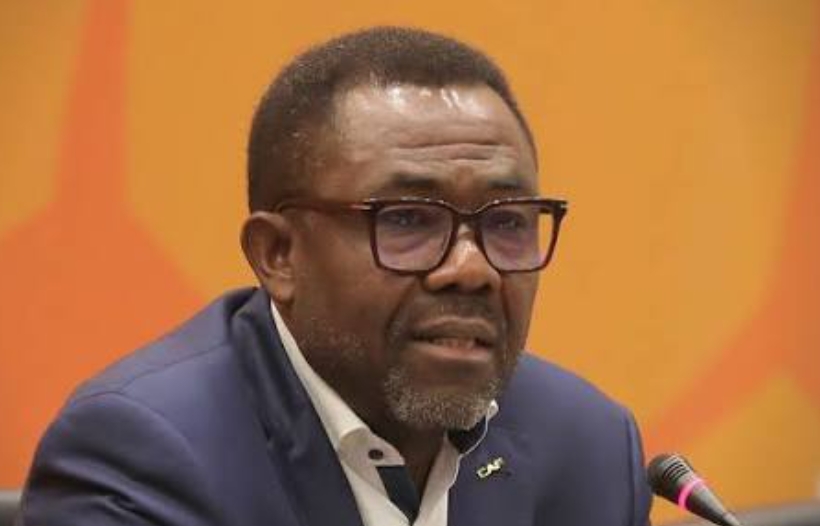
For years, Congolese football has searched for stability, credibility, and direction at the top. On Wednesday in Kinshasa, it placed that responsibility firmly in the hands of Véron Mosengo-Omba.
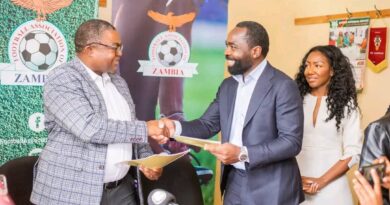
The former Confederation of African Football Secretary General was overwhelmingly elected president of the Federation Congolaise de Football Association after securing 60 of the 65 votes cast during the federation’s General Assembly — a landslide victory that signals both confidence in his leadership and growing hopes for a new era in Congolese football.
Only three delegates voted against his candidacy, while two ballots were ruled invalid.
Mosengo now begins a four-year mandate at the head of FECOFA, stepping into office at a moment many believe could define a new chapter for football in the Democratic Republic of Congo.
His election is already being viewed as more than a routine leadership transition. For many stakeholders inside Congolese football, it represents a chance to rebuild trust in the federation, modernise its structures, and bring greater professionalism to the administration of the game.
Having spent years operating at the highest level of African football governance during his time at CAF, Mosengo arrives with extensive continental experience and strong relationships across international football circles. That background is expected to play a major role in shaping FECOFA’s direction over the coming years.
Delegates at the General Assembly largely backed his candidacy with the belief that his experience can help stabilise a federation that has often struggled with organisational inconsistency despite the country’s enormous football potential.
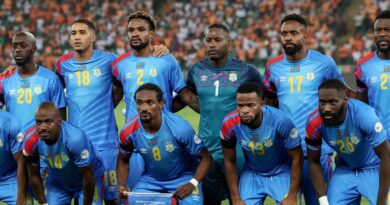
The Democratic Republic of Congo remains one of Africa’s richest talent pools, producing generations of elite footballers and maintaining a passionate domestic football culture. Yet administrative instability and long-term structural challenges have frequently prevented the nation from fully translating that talent into sustained continental dominance. Mosengo’s appointment therefore comes with significant expectations.
Supporters, clubs, and football stakeholders will now be looking for concrete reforms capable of improving governance, strengthening domestic competitions, and creating better long-term development pathways for players and clubs alike.
His international profile could also help elevate the influence of Congolese football within African football politics while attracting stronger institutional partnerships and development opportunities.
While the landslide victory gives him a strong mandate from the football community, pressure will quickly shift toward results — both on and off the pitch.
Questions surrounding the organisation of domestic football, financial transparency, infrastructure development, and the performances of the national teams are all likely to define the early years of his presidency.
For a federation searching for stability and renewed momentum, the arrival of Mosengo represents a clear statement of intent — one centred around experience, institutional reform, and the ambition to restore Congolese football to a stronger position on the African stage.
His presidency now begins with widespread backing, but the true measure of success will ultimately depend on whether that confidence can be transformed into meaningful progress for football in the Democratic Republic of Congo.