When a Captain Carries Too Much

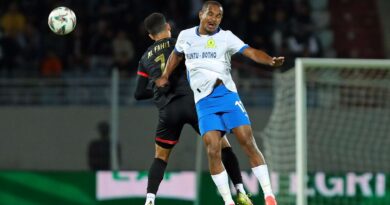
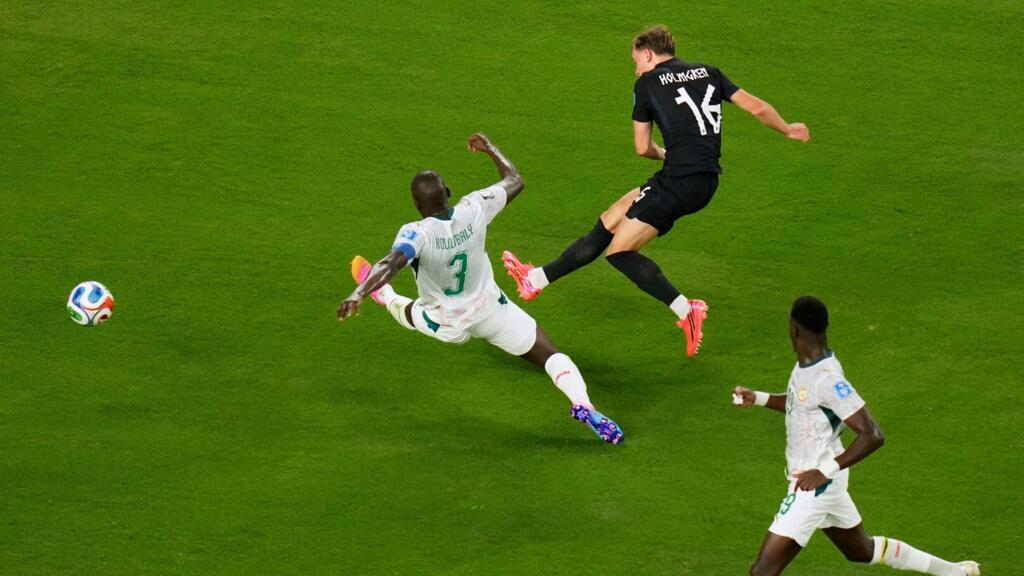
Kalidou Koulibaly lay flat on the turf, his eyes fixed on the New Jersey sky. Around him, Norwegian players celebrated. Behind the Senegal goal, thousands of Norwegian fans performed the Viking Row; mimicking the motion of rowing a Viking longship while chanting. Just moments earlier, Marcus Pedersen had pounced on an uncharacteristic mistake from the skipper to give Norway the lead in the 43rd minute. Over the years, Koulibaly has been the defender who cleaned up everyone else’s mistakes. On this occasion, he was the one searching for answers.
His teammate, Malick Diouf, stretched out a hand to help him back to his feet. The captain rose, dusted himself off and waited for the game’s restart. But the nightmare was far from over. Only three minutes into the second half, Erling Haaland timed his run to perfection, exposing another lapse in Senegal’s back line. Koulibaly was once again left on the ground, beaten by the movement of the Manchester City poster-boy. Norway sensed vulnerability. Haaland would strike again, and by the time head coach Pape Thiaw withdrew his captain in the 72nd minute, replacing him with Pape Matar Sarr, the damage had already been done.
Senegal had fallen 3-2, and the usually dependable Koulibaly found himself at the centre of the collapse. From his debut in September 2015, Koulibaly has represented defensive excellence for Senegal. He captained the Teranga Lions to three Africa Cup of Nations finals since 2019, lifting the trophy in 2021, while the 2025 final remains subject to proceedings before the Court of Arbitration for Sport. He has inspired Senegalese supporters with his leadership and composure.
There is no escaping the reality that time catches every footballer. Even the greatest defenders eventually lose a fraction of sharpness. However, to reduce Koulibaly’s difficult evening to “father time” alone would ignore the burden he carried into this tournament.
Just three days before facing Norway, the Al Hilal defender celebrated his 35th birthday. He shares that date with teammate Nicolas Jackson. While Jackson spent his birthday preparing solely for football, Koulibaly found himself balancing responsibilities that stretched beyond the pitch.
As captain, he became the voice of a dressing room frustrated by unpaid bonuses dating back to Senegal’s AFCON triumph and World Cup qualification campaign. Reports from the team’s base in New Jersey detailed tense discussions between players and the Senegalese Football Federation over delayed payments, administrative failures and uncertainty surrounding head coach Pape Thiaw’s contract, which had expired months before the tournament.
Eventually, agreements were reached behind closed doors, but valuable preparation time had already been consumed by issues no footballer should be dealing with on the eve of a World Cup game.That was after the game against France.
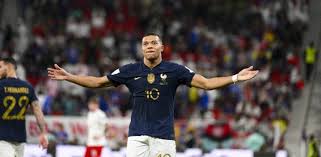
On the back of Senegal’s 3-1 defeat to France, Koulibaly also publicly condemned the visa barriers that prevented Senegalese supporters from travelling to North America. The United States rejected approximately 74 percent of tourist visa applications from Senegalese citizens, while additional financial requirements, including visa bonds worth thousands of dollars, placed the dream of attending the World Cup beyond the reach of many ordinary supporters. He addressed the issue as a captain who understood what those supporters mean to his team.
“Football is for everybody,” he said. “I don’t understand why people from Africa cannot have their people.”
What made the situation even more unusual was that Koulibaly was fighting battles on several fronts. Every captain is expected to shield his dressing room from distractions, but this time he was forced to confront them himself. He became the bridge between frustrated teammates and federation officials, while also speaking on behalf of supporters who felt excluded from football’s biggest stage. Those responsibilities rarely appear in post-match analysis. They do not excuse misplaced passes or poor positioning, but they help explain the mental load carried by a player expected to lead by example every single day. The captain’s armband is often celebrated as a symbol of honour. It can also become a weight, particularly when problems away from the pitch begin demanding as much attention as the match itself.
Those words reflected a captain carrying concerns. None of these off-field problems excuse the mistakes against Norway. Elite footballers are judged on performances, and Koulibaly himself would be the first to accept responsibility. His errors directly contributed to Norway’s goals, and Senegal paid the ultimate price. But context matters. Football often has a short memory. One poor performance can overshadow years of excellence. Social media demands instant judgement, and criticism arrives long before reflection. Yet careers should never be measured by one difficult evening.
This was arguably the worst performance Koulibaly has produced in a Senegal shirt. It happens to great players. Rigobert Song endured disastrous nights. Kolo Toure was exposed countless times. Samuel Kuffour himself experienced horror moments. Great defenders are remembered not because they never failed, but because they responded.
Now Senegal stand on the brink of a World Cup exit. This defeat leaves the Lions with virtually no margin for error. Victory over Iraq in their final group match is no longer enough on its own. They need a convincing win to repair their damaged goal difference and then hope results elsewhere favour them in the race for one of the best third-placed spot.
Whether Koulibaly is selected to play remains uncertain after his substitution against Norway. If his tournament has already ended, it would be a cruel way for one of Senegal’s greatest servants to bow out. History should inadvertently resist the temptation to define him by one night. Those burdens are invisible to most spectators.
Koulibaly deserves criticism for his mistakes against Norway. Nevertheless, captains carry responsibilities that statistics cannot measure, and sometimes those invisible pressures become impossible to separate from performances on the field. Whatever happens against Iraq, Kalidou Koulibaly’s legacy with Senegal was built long before New Jersey. It should not be destroyed there either.