When Strength Was Enough: Africa’s Football Identity Faces A World Cup Test

African teams previously marched onto the global stage knowing exactly where their advantage lay. It certainly wasn’t in controlling games like Europe’s elite nations; it was in the battle — the sprint, the tackle, and refusal to surrender an inch of ground.
African teams built their reputation on turning matches into physical contests. They disrupted opponents who were often considered technically superior. When facing Europe and South America’s finest sides, the continent knew only intensity could close the gap in quality. That identity produced some of the continent’s great World Cup moments.
But the game is changing, and the advantage that once gave African teams a fighting chance is becoming harder to rely upon. A new refereeing approach has already sent a warning this 2026 World Cup: physicality will no longer be the weapon it once was.
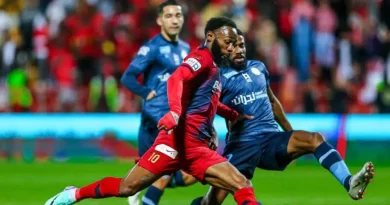
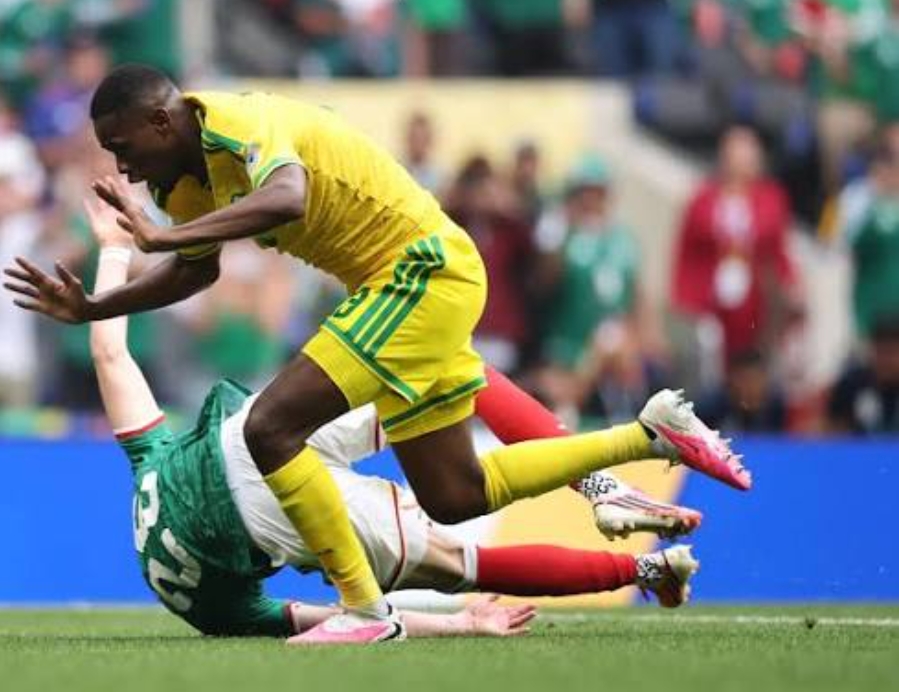
Every shove in the back, late challenge or aggressive duel will face much greater scrutiny. Referees have been instructed to punish excessive physical confrontation during matches. South Africa discovered that reality against Mexico.
The Bafana Bafana arrived with a familiar African blueprint — compete, fight for every ball and make the opponent uncomfortable. Instead, their intensity became a disadvantage.
Brazilian referee Wilson Sampaio showed little tolerance for challenges that may have been accepted as normal contact in previous eras. South Africa collected several bookings including two red cards, as their attempt to impose themselves physically turned into a disciplinary nightmare. It was a warning sign for the entire continent.
The methods that once helped African sides compete against technically superior opponents now carry greater risks. For decades, African teams understood that if they could not match Europe’s technical quality or tactical sophistication, they could compensate through physical dominance.
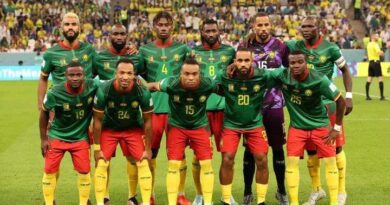
That blueprint was visible in 1990 when Cameroon shocked defending champions Argentina. The Indomitable Lions used strength and defensive resistance to defeat a team led by Diego Maradona. They disrupted Argentina’s rhythm, refused to be intimidated and turned their physical presence into a competitive advantage. That victory became a symbol of the African football identity.
The same formula produced more moments years later. Senegal’s unforgettable 2002 World Cup campaign was built on athleticism and intensity as they defeated reigning champions France and reached the quarter-finals.
But football has evolved. A strong challenge that was once viewed as normal contact can now result to dismissal. Teams that rely too heavily on physical confrontation risk being punished before they can impose themselves.
So what is Africa’s new weapon? It cannot simply be trying to outplay Europe’s strongest teams. Most African nations still cannot dominate possession against other elite football countries.
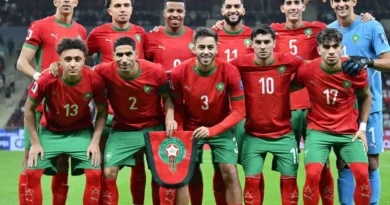
Africa’s future success this summer will depend on transforming its natural athletic qualities into: quick transitions, defensive organisation, intelligent positioning and ruthless efficiency. The ability to absorb pressure, remain compact, win the ball and attack with speed before opponents have time to reorganise. Morocco have already mastered this approach. Their run at the 2022 World Cup was built on defensive structure and devastating counterattacks. They allowed opponents to have the ball, but punished mistakes in smash and grab fashion.
Senegal have developed a similar identity. The Teranga Lions combine strength with tactical awareness. Their ability to move quickly from defence into attack has made them one of Africa’s most dangerous teams on the global stage. They represent the direction African football must now follow. The continent does not need to abandon its traditional strengths. The competitive spirit that has always defined African football remain valuable, but it must be controlled.
The World Cup simply cannot be won by bullying opponents into submission. Africa’s old formula helped create some of the continent’s memorable football stories, but the future belongs to teams that can adapt.