Scandal Erupts In DR Congo U17 Squad Over Alleged Pay-To-Play Scheme

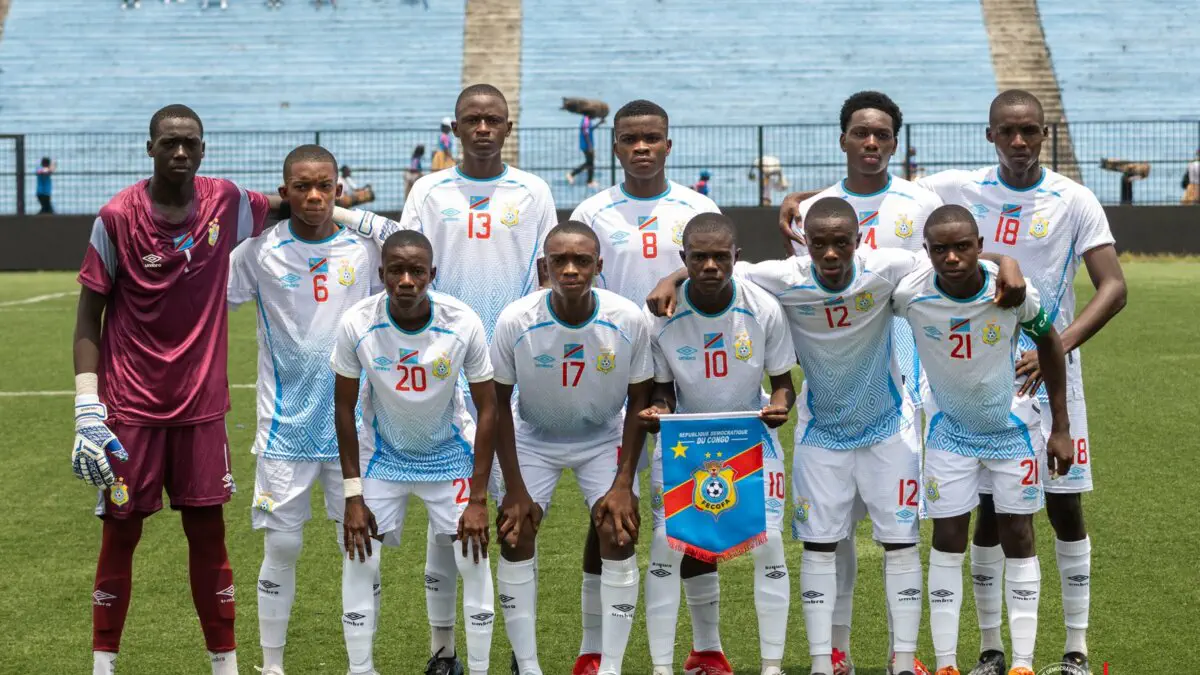
The Democratic Republic of Congo’s U17 national team has been plunged into a major scandal at the ongoing U17 Africa Cup of Nations, after allegations surfaced accusing members of the technical staff of demanding money from players in exchange for places in the squad.
What was expected to be a promising tournament for the Young Leopards is now being overshadowed by claims of corruption, favouritism and exploitation involving teenagers chasing their dreams of representing their country on the continental stage.
The controversy comes at a difficult time for DR Congo, who opened their AFCON campaign with a heavy defeat to Uganda despite arriving at the tournament with high expectations after an impressive qualifying run in the UNIFFAC zone.
Several key players who played vital roles during qualification were surprisingly left out of the final squad, including team captain Aristote Bokeya, raising questions among supporters and observers back home.
According to reports published by Sport News Africa, some of the omissions may have had little to do with footballing reasons.
Testimonies gathered by the outlet allege that players were expected to hand over part of their tournament bonuses to head coach Denis Makenga in order to secure selection.
“I didn’t pay USD 500 to get my place on the team, so I was left out,” one young player reportedly revealed.
Sources further claimed that from a planned USD 1,000 bonus allocation, players were allegedly expected to surrender half to the coach, with multiple testimonies describing what was referred to as a “business” operating within the national youth setup.
The revelations have sparked outrage among Congolese football fans, many of whom believed this generation had the potential to become the future backbone of the national team.
Instead, the Young Leopards now head into their next clash against Ivory Coast under intense pressure both on and off the pitch.
The scandal is also expected to place renewed scrutiny on football administration in Democratic Republic of the Congo, especially with elections at the Congolese Football Federation drawing closer.
For many observers, the issue goes beyond results on the pitch. It threatens the credibility of the country’s youth football system and risks crushing the dreams of some of DR Congo’s most promising young talents before their careers have truly begun.